
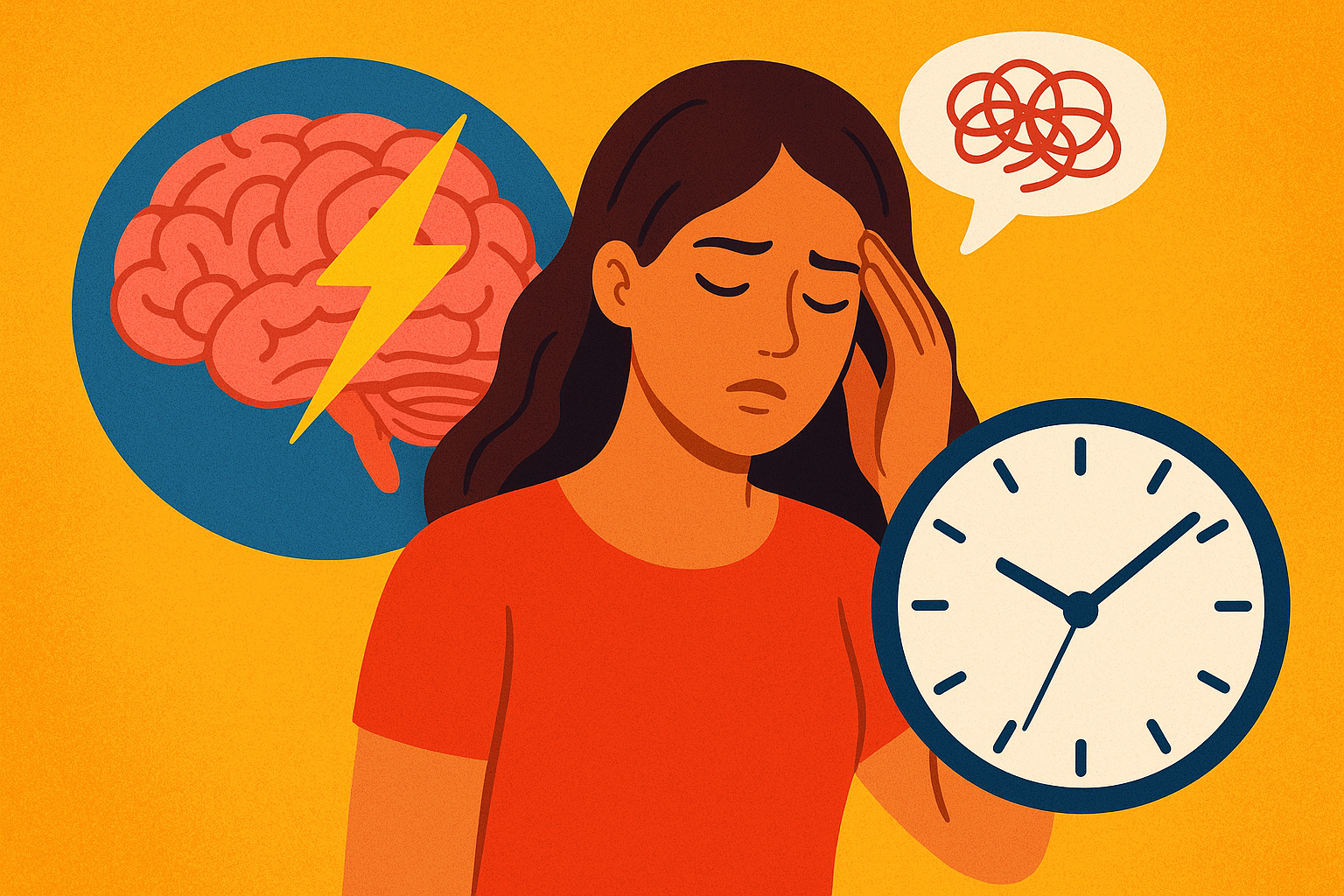
Have you ever pulled an all-nighter and felt like your brain had aged a few years the next day? Well, according to science, that might not be too far from the truth.
A new study published in The Lancet eBioMedicine found that poor sleep quality is linked to accelerated brain ageing, and inflammation may be one of the main reasons why. Researchers from Karolinska Institutet in Sweden analysed brain scans of over 27,000 adults and found that those with poor or inconsistent sleep patterns had brains that appeared almost a year older than their actual age.
So, what constitutes “poor sleep”? It’s not just about staying up late. The study considered factors such as sleep duration, insomnia, snoring and daytime tiredness. Those who scored low on these measures showed greater signs of brain ageing and inflammation — two factors that can increase the risk of cognitive decline and dementia later in life.
The good news is that sleep can be improved. ‘Since sleep is modifiable, it may be possible to prevent accelerated brain ageing and perhaps even cognitive decline through healthier sleep,’ said lead researcher Abigail Dove, PhD.
💡 Takeaway for young adults:
Your sleep habits now can influence how your brain ages later in life. Aim for 7–9 hours a night, try to stick to a regular schedule and avoid screens before bedtime. Your brain will thank you — today and in the decades to come!