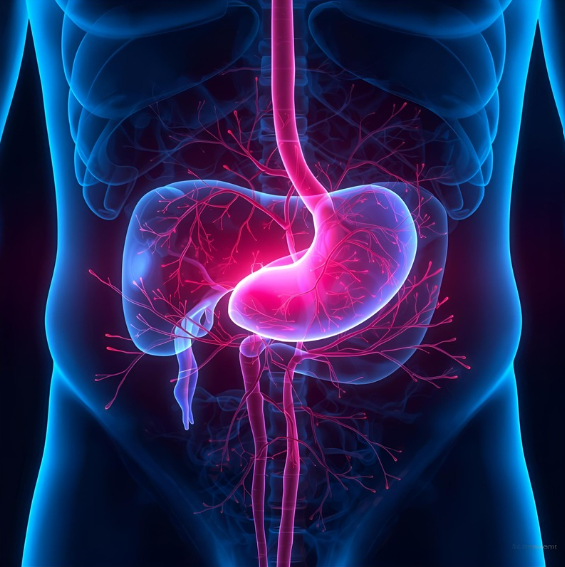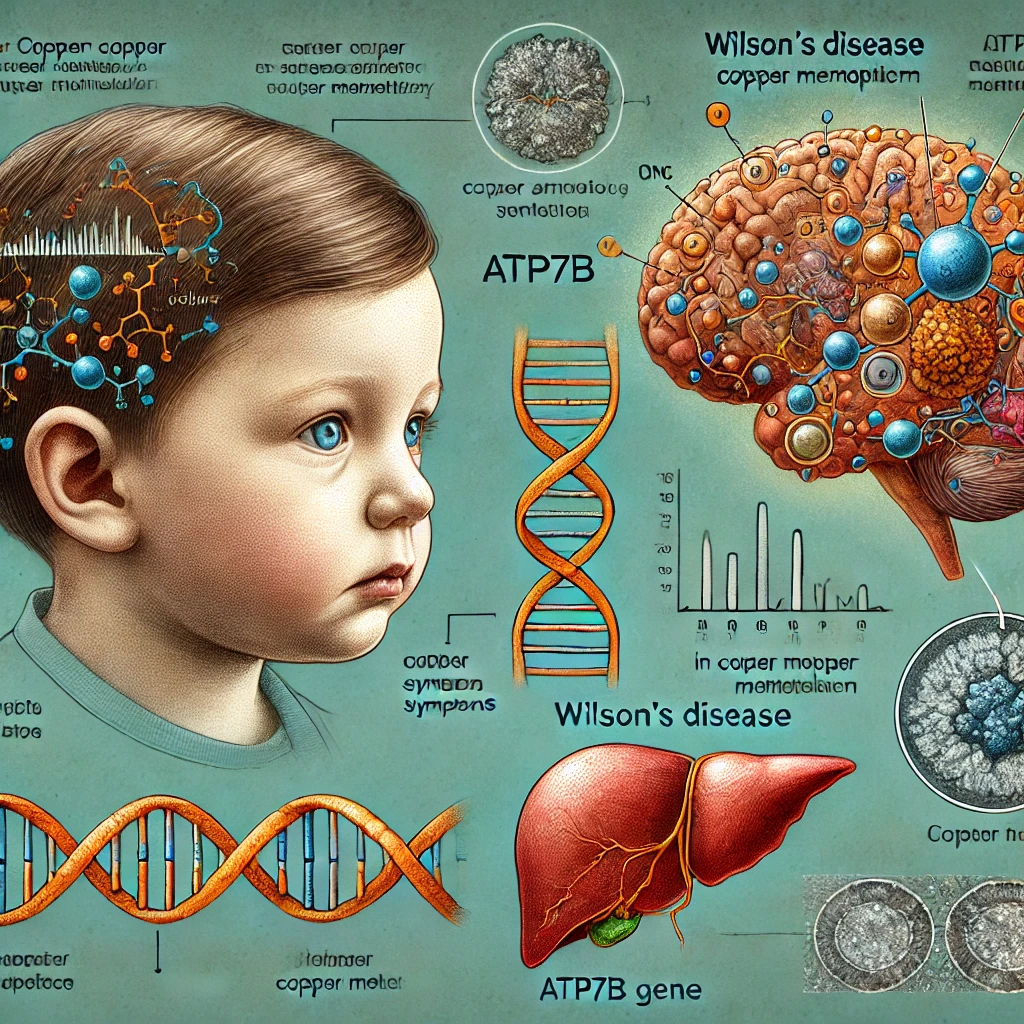
Wilson’s disease is a genetic disorder that disrupts the body’s ability to process copper, leading to dangerous buildup—mainly in the liver and brain. Caused by mutations in the ATP7B gene, it prevents excess copper from being excreted through bile. Symptoms can appear anytime from childhood to adulthood and include liver problems such as fatigue and jaundice, neurological issues like tremors and poor coordination, and psychiatric effects, including depression or compulsive behavior. A distinctive sign is the Kayser-Fleischer ring, a brownish ring around the cornea. Diagnosis involves blood and urine tests, genetic analysis, and eye exams. Though lifelong, the condition is manageable with medications such as penicillamine or trientine to remove excess copper and a low-copper diet that avoids foods like shellfish and nuts. Advances in genetic testing now allow early detection among family members, helping prevent complications. While rare, Wilson’s disease highlights the body’s delicate balance in handling essential minerals and the importance of genetic science in modern medicine.