
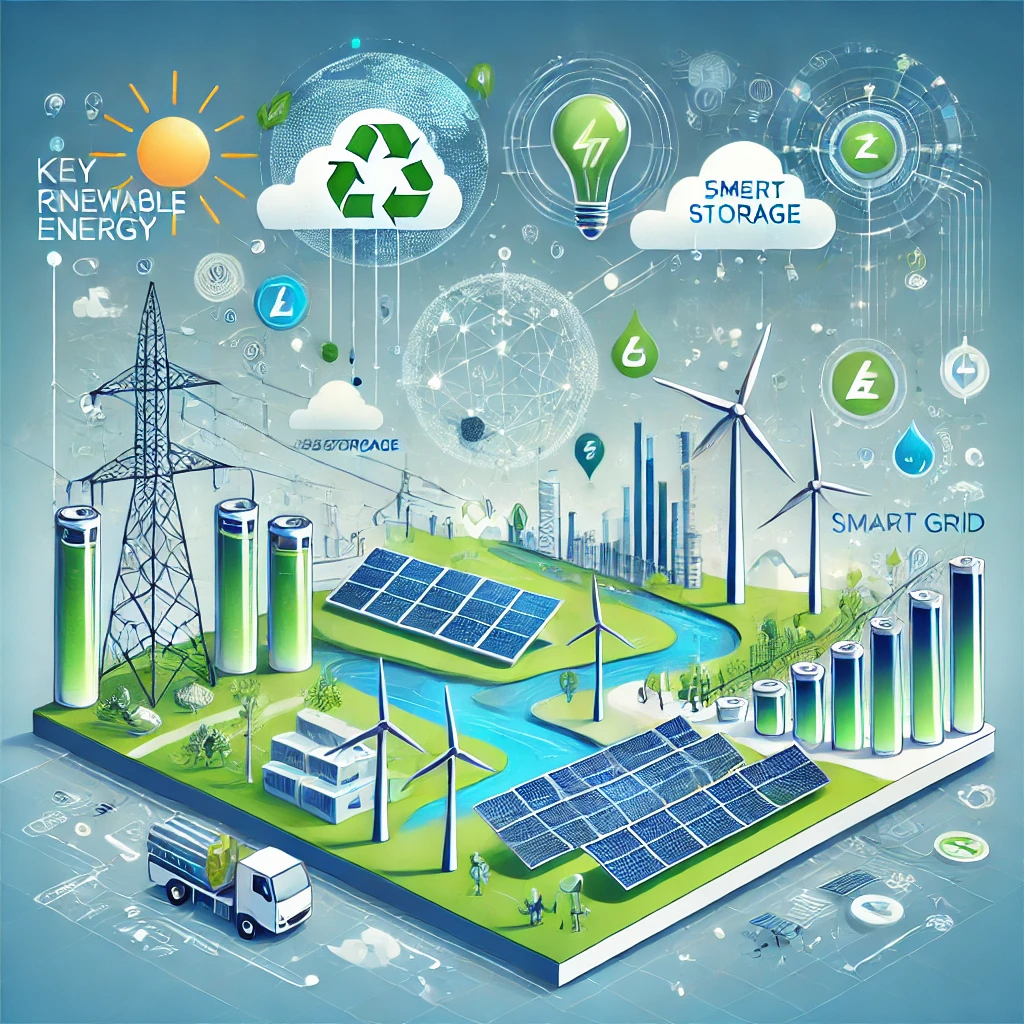
Climate change poses a significant threat to global ecosystems and human societies, primarily driven by greenhouse gas emissions from fossil fuel consumption. Transitioning to renewable energy sources is essential to mitigate these impacts and achieve a sustainable future. Renewable energy harnesses naturally replenished resources like sunlight, wind, and geothermal heat, offering a cleaner alternative to fossil fuels.
TYPES OF RENEWABLE ENERGY SOURCES
- Solar Energy: Photovoltaic (PV) cells convert sunlight directly into electricity. Advancements in solar technology have reduced costs and increased efficiency, making it a viable option for widespread adoption.
- Wind Energy: Wind turbines capture kinetic energy from wind currents to generate electricity. Wind farms, both onshore and offshore, contribute significantly to the renewable energy mix.
- Hydropower: Utilizing the flow of water in rivers or from dams, hydropower generates electricity. While effective, it requires careful management to minimize ecological disruptions.
- Biomass and Bioenergy: Organic materials such as wood, agricultural residues, and waste are burned or processed to produce energy. Sustainable management is crucial to ensure it remains a renewable resource.
- Geothermal Energy: By tapping into the Earth’s internal heat, geothermal plants produce electricity and provide heating. This source offers a constant and reliable energy supply.
CHALLENGES OF RENEWABLE ENERGY
1. Intermittency Issues
Solar and wind energy production depends on weather conditions, leading to fluctuations in power supply. Energy storage technologies, like large-scale batteries, are essential to store excess energy and provide a consistent power flow during low production periods.
2. Storage and Grid Integration
Effective integration of renewable energy into the power grid requires efficient storage systems and modernized grids. Battery storage and smart grid technologies help balance supply and demand, ensuring stability. The International Energy Agency (IEA) emphasizes the need for greater investment in these areas to support large-scale renewable adoption.
3. High Initial Costs
While operational costs are low, the upfront investment for renewable installations (solar panels, wind turbines) is high. However, technological advances and government policies have significantly reduced costs, making renewables more affordable and competitive with fossil fuels.
Addressing these challenges will accelerate the global transition to renewable energy, ensuring a cleaner, more stable, and cost-effective energy future.
CONCLUSION
Renewable energy is pivotal in combating climate change by reducing greenhouse gas emissions and fostering sustainable development. While challenges exist, the benefits to the environment, economy, and public health are substantial. Accelerating the transition to renewable energy is imperative for securing a healthy and livable planet for future generations.