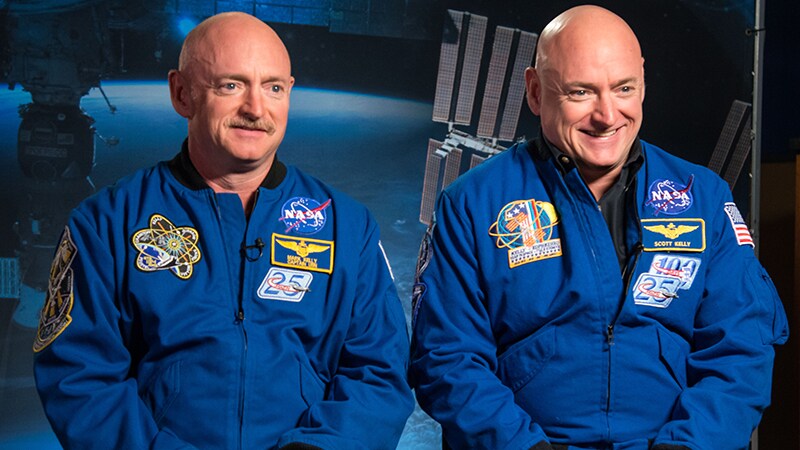
Space travel can be incredibly exciting, but what does it do to our bodies over long periods of time? A groundbreaking study of twin astronauts, Scott and Mark Kelly, reveals some fascinating insights into how extended space missions impact health — and how the body adapts to the challenges of life beyond Earth.
In 2015, Scott Kelly spent 340 days aboard the International Space Station (ISS) while his twin brother, Mark, remained on Earth. The study compared their physical and mental changes to uncover how space travel affects everything from metabolism to gene expression.
One of the most surprising discoveries was the change in Scott’s telomeres, the protective caps on chromosomes. In space, Scott’s telomeres actually grew longer, but after returning to Earth, they shortened rapidly. This could signal potential long-term effects, though more research is needed.
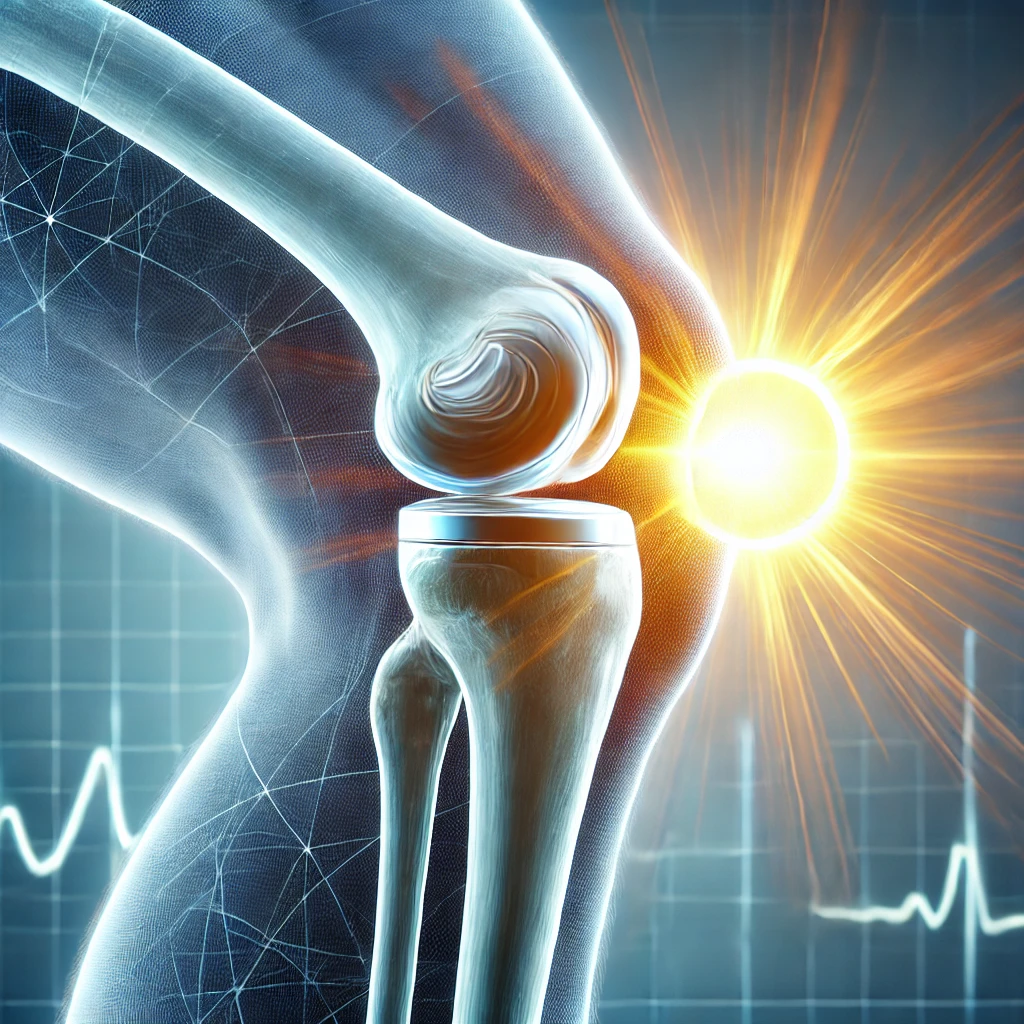
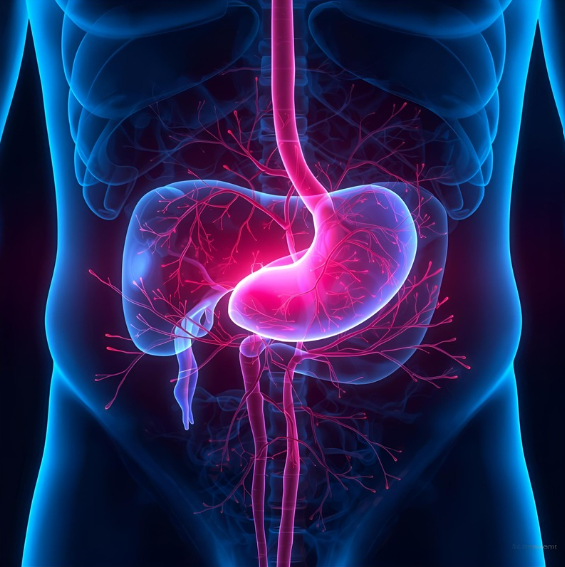
Another key finding was spaceflight-associated eye problems, which affect about 40% of astronauts. Scott experienced changes in his vision that may be linked to fluid shifts in his body in the weightless environment. And while most changes, like gut bacteria and immune function, returned to normal within six months, Scott faced persistent challenges, including declines in mental abilities and possible risks for stroke.
Despite these concerns, the study revealed some encouraging news: vaccines, like the flu shot, still work effectively in space, showing that the immune system responds much like it does on Earth.
The NASA Twins Study is providing critical data for future space exploration, especially as NASA plans for missions to Mars. While there’s still much to learn, it’s clear that understanding how the human body adapts to space will be essential for ensuring the health and safety of astronauts on long-duration missions.