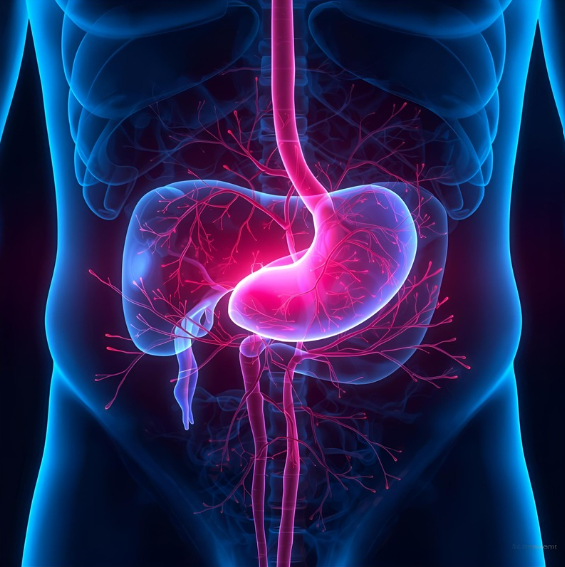

Experts have long warned against eating late, especially large meals high in fats or sugars. A new study adds to this advice, showing that eating within three hours of bedtime at least four times a week may increase the risk of developing colorectal cancer. The study of 664 people undergoing colonoscopies found that late eaters were 46% more likely to have adenomas, small noncancerous growths in the colon. These adenomas can potentially become cancerous over time.
The study suggests that late-night eating disrupts the body’s circadian rhythm, particularly the “peripheral” rhythm that controls processes in the gastrointestinal tract. This disruption occurs when the brain thinks it’s nighttime while the gut thinks it’s daytime. Late eaters were also found to be more likely to make unhealthy food choices, leading to higher calorie intake and potential weight gain.
The study raises concerns about how late-night eating might contribute to the rising rates of colorectal cancer in younger people. However, as an observational study, its findings aren’t as conclusive as randomized trials. The researchers plan to investigate further, focusing on how late eating affects the gut microbiome and contributes to metabolic issues.
Réka Tankó