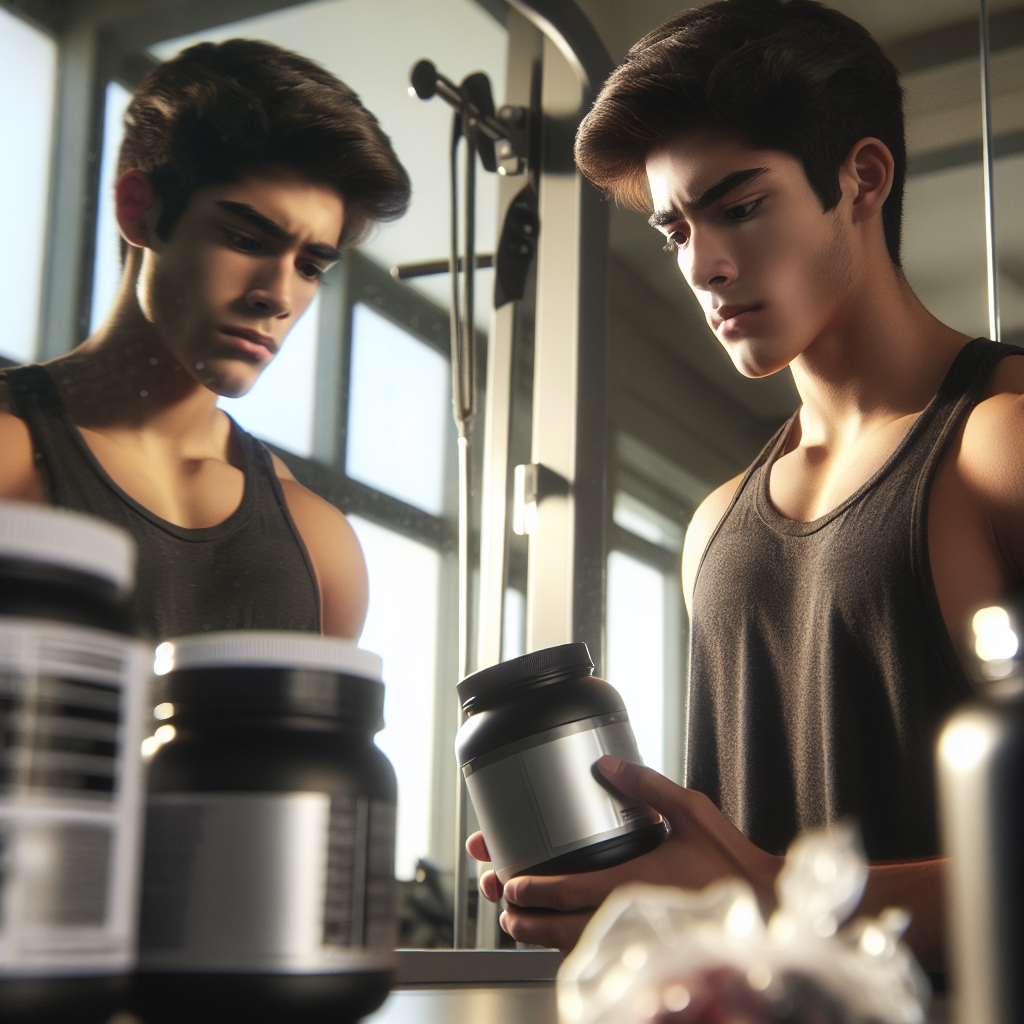
Clinicians should ask teens and young adults about their use of muscle-building supplements like protein or creatine, as these products are not regulated like drugs and can pose serious health risks. Many teens, especially boys, use these supplements despite getting enough nutrients from food, making them unnecessary. Muscle-building supplements are linked to higher rates of death, disability, and eating disorders in adolescents.
Health professionals are encouraged to take a harm-reduction approach, advising that muscle growth can be achieved with a healthy diet and exercise instead of supplements. Keeping an open dialogue can also help identify if a teen is using dangerous substances like steroids.
Supplements can be risky, especially when they are poorly labeled or contaminated with harmful ingredients. Some products may contain substances that are not approved for use in the U.S. Unlike pharmaceuticals, supplements aren’t tested for safety before they’re sold, and side effects like cardiac issues can occur. Although certified supplements with fewer ingredients are safer, the industry remains largely unregulated, leaving consumers at risk.
Réka Tankó