Can You Trust What You See on Social Media? Spoiler Alert: Just because it’s viral doesn’t mean it’s true!
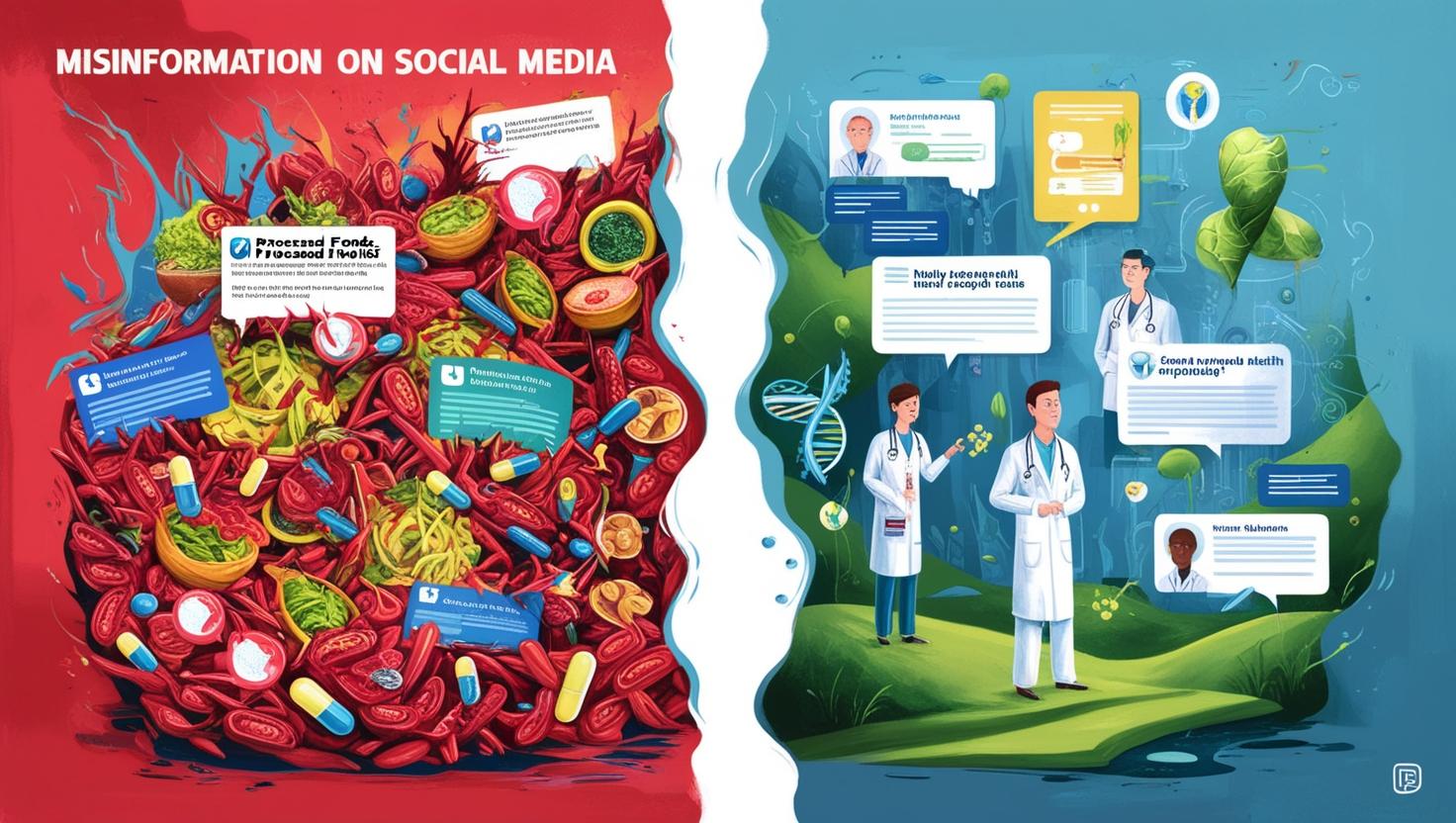
Scrolling through social media, you’ve probably seen crazy health claims—“this one food cures all diseases” or “vaccines do more harm than good.” The problem? A lot of this info is misinformation—false or misleading content that spreads like wildfire, especially during health crises (remember all those wild COVID-19 theories?).
According to a recent BMJ study, led by researcher Fabiana Zollo, social media plays a massive role in shaping how people think about health. It can be super useful for spreading awareness, but also a breeding ground for fear, confusion, and echo chambers (where people only see content that confirms their beliefs). The catch? It’s hard to prove a direct cause-and-effect between social media exposure and real-life health behaviors.
So, what can you do?
- Question everything—who’s posting, what’s the source, and does it actually make sense?
- Follow legit sources—WHO, CDC, medical professionals (not just influencers).
- Think before you share—spreading false info, even by accident, makes the problem worse.
Health myths can spread fast—but so can the truth. Let’s keep the internet smart, safe, and fact-checked.
What’s the wildest health claim you’ve seen online?