Social Media and Mental Health: The Good, the Bad, and the Unknown
Social media is everywhere—it’s how we stay in touch, keep up with trends, and express ourselves. But is it hurting or helping our mental health? The truth is, we don’t fully know. While politicians push for age restrictions and warning labels on apps like TikTok, Instagram, and YouTube, experts say the conversation is more complicated than just “social media is bad.”
The Dark Side of Social Media
There’s no doubt that social media has its downsides:
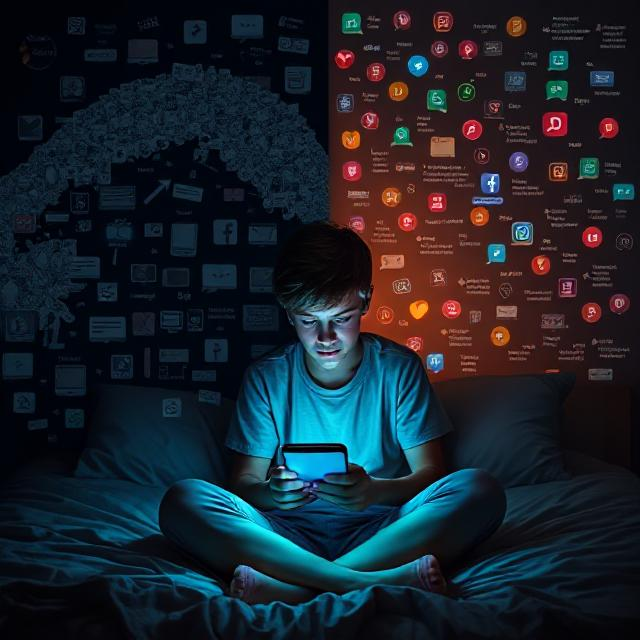
• Algorithms can distort reality by pushing content that isn’t always accurate or healthy.
• Notifications are addictive, making it hard to focus and get enough sleep.
• Anonymity fuels cyberbullying, allowing people to say hurtful things they wouldn’t say in person.
• Comparison culture can damage self-esteem, as influencers and filters create unrealistic beauty standards.
For some young people, these factors can contribute to anxiety, depression, and even self-harm. That’s why lawmakers are pushing for stricter regulations, including age limits, privacy protections, and rules to prevent platforms from targeting ads at minors.
The Positive Side: A Digital Lifeline
Despite the risks, social media isn’t all bad. It can be a lifeline—especially for those who feel isolated in real life.
Dr. Linda Charmaraman, a researcher at Wellesley Centers for Women, found that social media helps marginalized groups feel more connected. For LGBTQ+ youth, kids of color, and others who don’t always see themselves represented, these platforms provide a sense of belonging.
Take Arianne McCullough, a 17-year-old college student. She uses Instagram to connect with other Black students at her predominantly white university. “I know how isolating it can be feeling like you’re the only Black person in a space,” she says. Through social media, she’s built a supportive community that makes campus life feel less lonely.
Is Banning Social Media the Answer?
Some states have already passed laws restricting social media access for young people, hoping to protect mental health. But experts warn these bans could backfire.
A national report found that blocking kids from social media could cut them off from support systems when they need them most. Instead of outright bans, some states are focusing on privacy protections and digital literacy programs to teach kids how to use social media responsibly.
Dr. Jenny Radesky, a pediatrician and social media expert, believes the real issue isn’t just kids using social media—it’s how these platforms are designed to keep them scrolling, clicking, and buying. She argues that social media companies need to take more responsibility for their impact on young users’ mental health.
The Bottom Line
Social media isn’t purely good or bad—it depends on how it’s used. While it can spread harmful content and create unrealistic expectations, it also provides connection and support for those who need it most. The key is balance: limiting harmful exposure while still allowing young people to engage in positive online communities.
As lawmakers, parents, and tech companies debate the future of social media, one thing is clear: it’s not going anywhere. Instead of simply banning it, the focus should be on creating a safer, healthier digital space for everyone.