
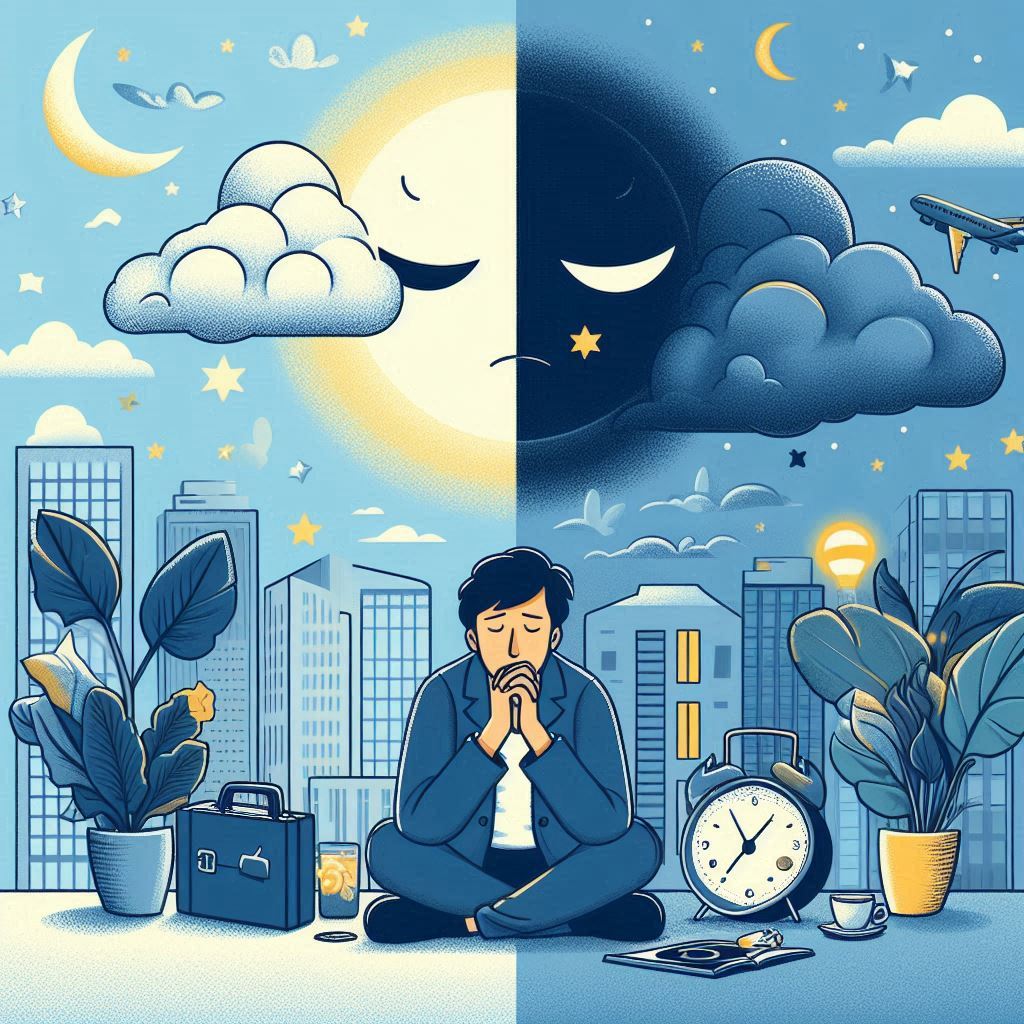
Shift work plays a crucial role in modern society, supporting essential services in healthcare, law enforcement, transportation, and beyond. However, it comes with a cost that is often overlooked — the serious impact it has on sleep. Studies show that individuals working irregular hours are far more likely to suffer from sleep disorders than their daytime counterparts. One of the most common issues is Shift Work Sleep Disorder (SWSD), which causes insomnia, poor-quality sleep, and excessive sleepiness during work hours. This condition arises when work schedules clash with the body’s circadian rhythm, the internal clock that regulates sleep and wake cycles. As a result, many workers find themselves constantly fatigued, struggling to stay awake at night and unable to rest properly during the day.
Over time, this disruption doesn’t just make workers feel tired — it poses real health risks. Chronic poor sleep has been linked to mental health problems such as depression and anxiety, increased risk of heart disease, obesity, and even diabetes. It also raises the chance of workplace accidents and errors, which can endanger both the worker and others. Despite these serious consequences, many people and employers still underestimate the importance of sleep health in shift work settings.
Simple but effective steps can improve sleep quality significantly:
- Avoid caffeine close to bedtime
- Maintain a dark, quiet, and cool sleeping environment
- Try short naps before night shifts to boost alertness
- Use light therapy or blue-light blocking glasses when needed
Fortunately, there are practical strategies that can help. Sticking to a consistent sleep routine, using blackout curtains and white noise for better daytime rest, and limiting bright light exposure after night shifts can make a significant difference. Practicing good sleep hygiene — like avoiding screens before bed — also plays a key role. Employers, too, have a responsibility: offering flexible schedules, providing education about sleep health, and encouraging regular medical checkups are all steps in the right direction.
Shift work is here to stay, but its negative effects on sleep don’t have to be. By understanding the challenges and taking action, we can support the health and safety of those who work while the rest of the world sleeps.