What Happens When Personal Experience Leads to National Guidelines?
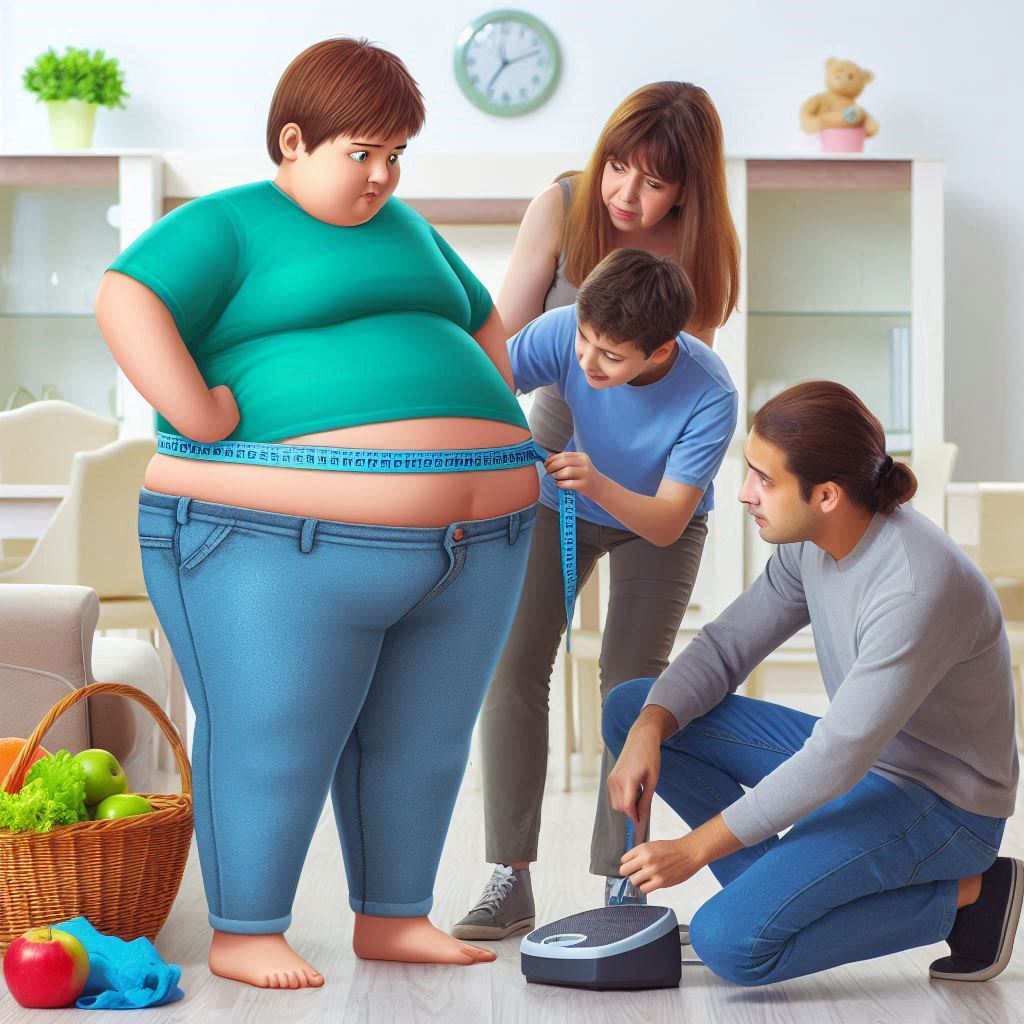
Samuel Lunsford has struggled with obesity his entire life. Before turning 14, he joined an extensive lifestyle program at Nationwide Children’s Hospital’s Center for Healthy Weight and Nutrition in Ohio. The program included bi-weekly meetings with a nutritionist, where Samuel learned about portion sizes, the role of food in the body, how to supplement meals, and more. Exercise was also a key part of the program.
What makes this story unique is that Samuel’s father, Douglas Lunsford, also participated in the program alongside him, and they worked together on their health for two years. Later, Douglas became actively involved in the issue and helped create the American Academy of Pediatrics (AAP)‘s new official clinical guideline for evaluating and treating childhood and adolescent obesity.
🔬 What Does the AAP Guideline Say, Based on Research?
The aim of the guideline is to help children not just lose weight but make sustainable changes in their lifestyle, behavior, and environment—while involving families in the decision-making process.
According to the guideline, the most effective treatments include:
- At least 26 hours of face-to-face, family-based interventions,
- Spanning 3 to 12 months, with a combination of components like nutritional support, physical activity, and behavioral therapy.
For severe obesity, doctors may recommend medication for adolescents 12 and older, alongside lifestyle and health treatments. In some cases, metabolic or bariatric surgery is considered, but only in combination with other treatments and under strict medical supervision.
⚠️ Why Is This Important?
Dr. Sandra Hassink, a lead author of the guideline, points out that childhood obesity has been rising for over four decades, along with the related health problems:
- Type 2 diabetes
- High cholesterol
- Non-alcoholic fatty liver disease
The issue lies in malfunctioning fat cells that produce inflammatory chemicals, which can damage the body over time.
🧠 The psychological impact is also significant: weight bias, bullying, and low self-esteem can lead to anxiety and depression in affected children. Experts stress that childhood obesity is both a physical and emotional challenge.
👪 Treatment is most effective when the whole family is involved. The child’s environment—what they eat at home, how active they are, and how body image is discussed—is crucial. Family support plays a key role.
📊 A recent survey found that 26% of parents worry about their child’s weight, with 40% considering weight loss medication if their child becomes obese at 12. However, many parents are still hesitant to consider surgery until their child is 15, even though the AAP recommends considering it for children as young as 13.
🌍 Staying healthy in today’s environment is difficult: processed foods, excessive sugar, limited physical activity, and reduced access to healthy food are all factors. The COVID-19 pandemic worsened the situation, with less physical activity and higher food costs for many families.
🩺 Treating childhood obesity is no easy task, and there is no one-size-fits-all solution. However, research-backed options now exist, and it’s important for parents and doctors to work together and tailor the treatment to each child’s unique needs.