
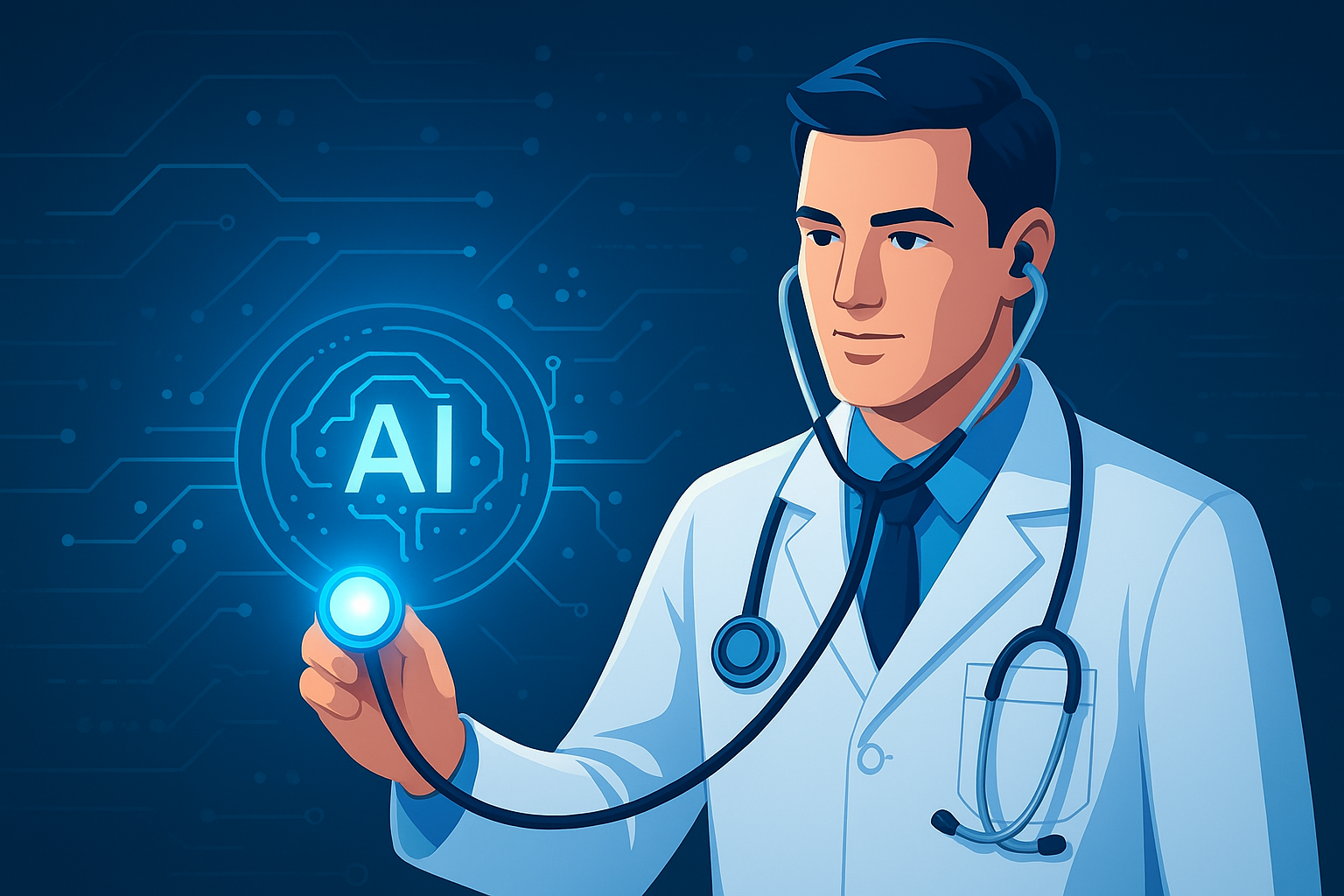
For over 200 years, the stethoscope has been medicine’s ultimate symbol — slung around every doctor’s neck like a badge of honor. But now, it’s gone digital.
According to a new Medscape article, artificial intelligence (AI) is revolutionizing the way clinicians use this classic tool. The digital stethoscope can record, amplify, and analyze heart and lung sounds with precision beyond human hearing. Then, AI steps in — spotting subtle murmurs, arrhythmias, or respiratory patterns that might otherwise be missed.
Imagine this: a physician listens to your heartbeat, uploads the sound, and within seconds, an algorithm compares it to millions of data points — identifying early warning signs of heart failure or pneumonia before symptoms even show. That’s not science fiction anymore.
The article highlights how these devices are already reshaping care in both hospitals and rural clinics. Doctors can share recordings remotely, collaborate with specialists, and use machine learning tools that continuously improve as more data flows in. The result? Faster, more accurate diagnoses and fewer missed conditions.
Of course, technology isn’t replacing doctors — it’s empowering them. AI doesn’t bring empathy, intuition, or patient trust. But it does bring consistency and speed, making it the perfect partner for overworked clinicians trying to make life-or-death calls in seconds.
Still, challenges remain: data privacy, algorithm bias, and the need for real-world validation. But one thing’s certain — the stethoscope that once symbolized bedside listening now represents something new: precision medicine powered by human + machine collaboration.
So yes, it still hangs around the neck. It just listens smarter now.