
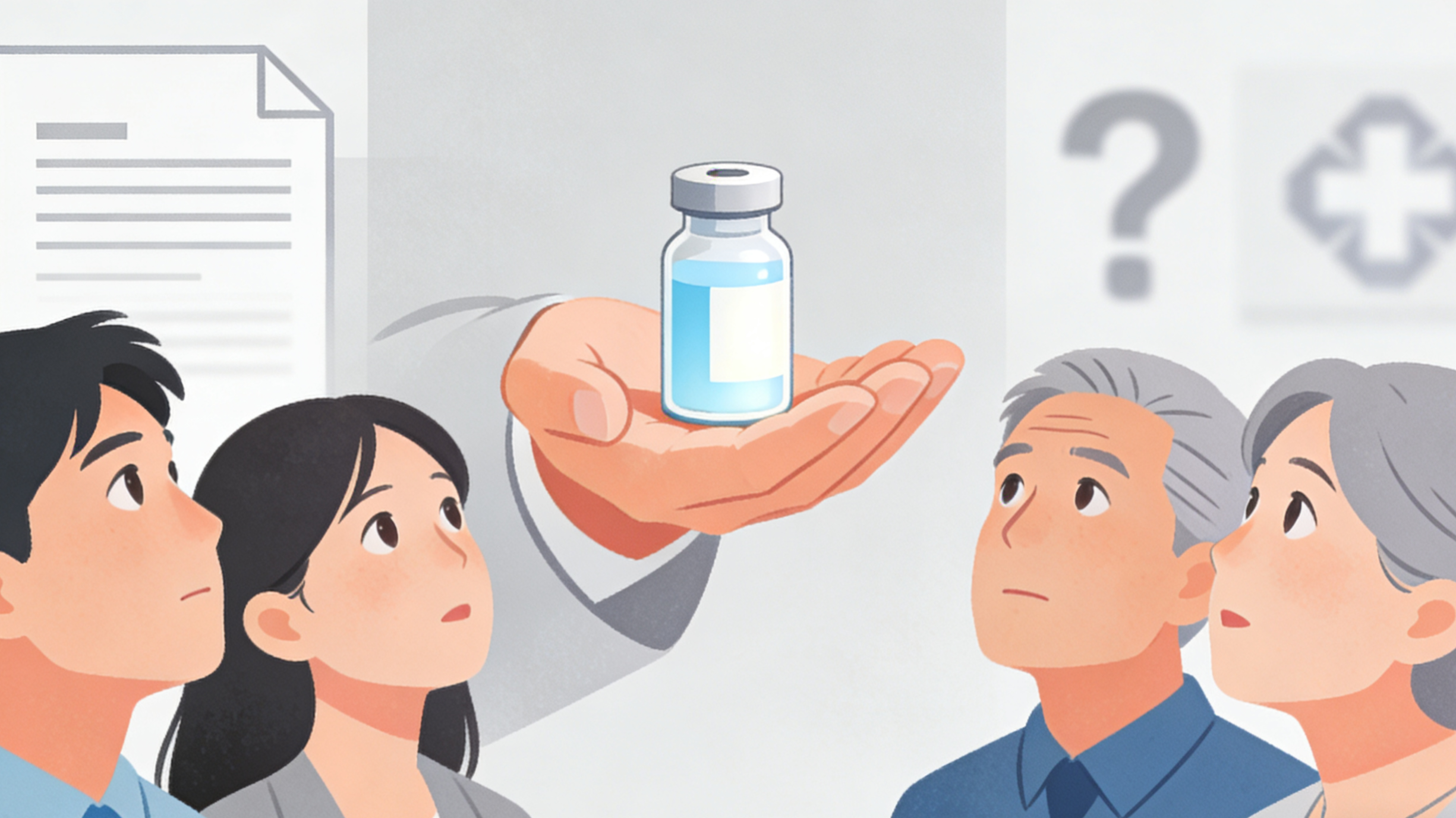
In recent years, many pharmaceutical companies have offered what are called Patient Support Programs (PSPs) — services tied to prescription drugs that promise extra help (education, financial navigation, case-management, sometimes nursing or counseling). But a new review argues: we may not know enough about how effective or fair these programs really are. Patient Support Programs Need Transparency, Researchers Say emphasizes that although PSPs exist for many costly medications, independent evaluation and transparency remain largely missing.
A large study in Canada found that out of 2,556 prescription drugs on the market, only about 256 (≈ 10%) had a manufacturer-sponsored PSP. Most such programs are concentrated among expensive biologic or branded drugs, or treatments for rare diseases.
Because manufacturers fund and control these PSPs — and often provide the only publicly available information — it’s difficult to assess whether they truly improve health outcomes, reduce costs, or simply serve marketing interests. Researchers call for independent evaluation, public reporting, and stricter oversight before relying on PSPs as a substitute for equitable and transparent health-care systems.
What you can keep in mind
· PSPs are often tied to high-cost or specialty drugs — not every medication offers them.
· Just because a drug has a PSP doesn’t guarantee better care or lower out-of-pocket burden.
· As young people or community members, push for transparency and accountability: ask who funds the program, what services are provided, and whether there are independent outcome reports.
In communities around the world, awareness and informed discussion about PSPs can help ensure these programs are tools for genuine health support — not just sales strategies.