
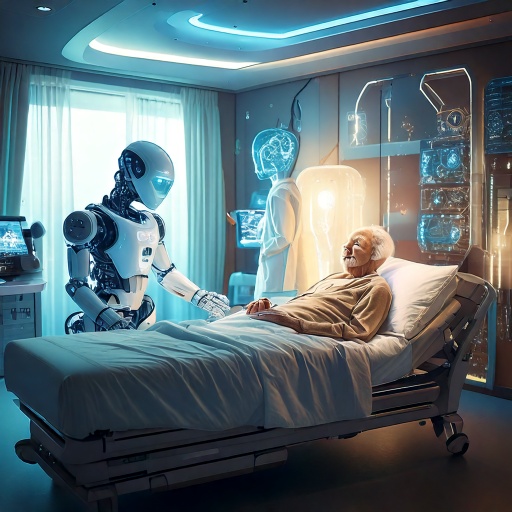
AI Caregivers: The Future of Elderly Care in Japan
In Tokyo, a futuristic robot named AIREC is changing the way Japan thinks about elderly care. This 150-kg AI-driven humanoid can gently roll patients over, assist with basic caregiving tasks, and even help prevent bedsores—an innovation designed to address Japan’s growing shortage of caregivers.
Why Japan Needs AI Caregivers
Japan is facing a serious challenge: an aging population and a declining birth rate. By the end of 2024, the country’s “baby boomer” generation had all turned at least 75, creating an overwhelming demand for aged-care workers. However, the nursing sector is struggling, with only one applicant for every 4.25 job openings. While the government is bringing in more foreign workers, they still make up less than 3% of the workforce.
The Role of Robots in Nursing
Technology is becoming a crucial solution. Care facilities in Japan are already using small robots that sing songs and lead stretching exercises for the elderly. Sleep-monitoring sensors placed under mattresses are also helping caregivers track residents’ conditions at night.
However, humanoid robots like AIREC are taking things a step further. Designed with next-level precision and intelligence, AIREC can help people sit up, put on socks, cook simple meals, and fold laundry. But while AIREC is promising, it won’t be available for widespread use in nursing homes until around 2030—at an estimated cost of $67,000 per unit.
Can Robots Replace Human Caregivers?
Many experts believe AI-equipped robots could become an essential part of elderly care, but they won’t replace human caregivers entirely. “Robots and humans working together to improve nursing care is the future I am hoping for,” said care worker Takaki Ito.
As Japan looks to technology to solve its caregiving crisis, AIREC and other AI-powered robots may soon become a common sight in elderly care facilities—offering both a helping hand and a glimpse into the future of healthcare.