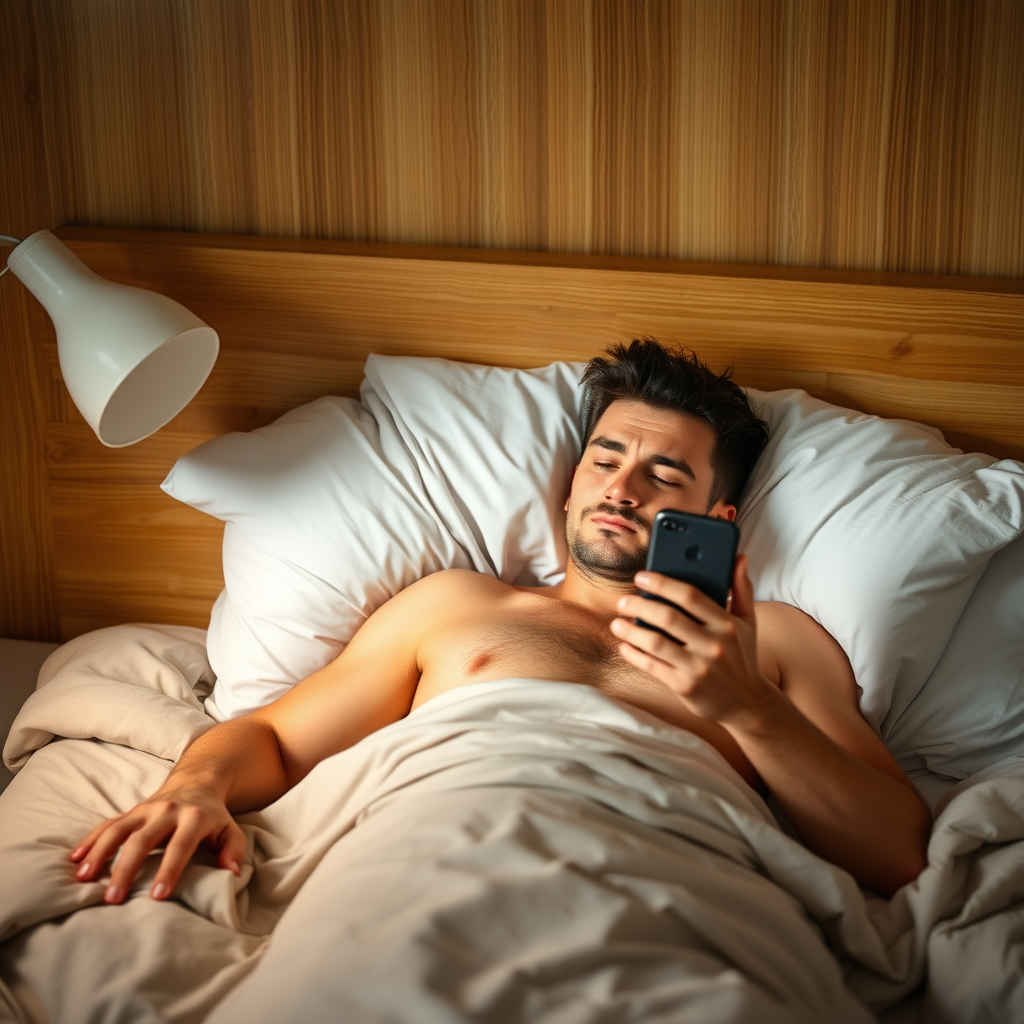
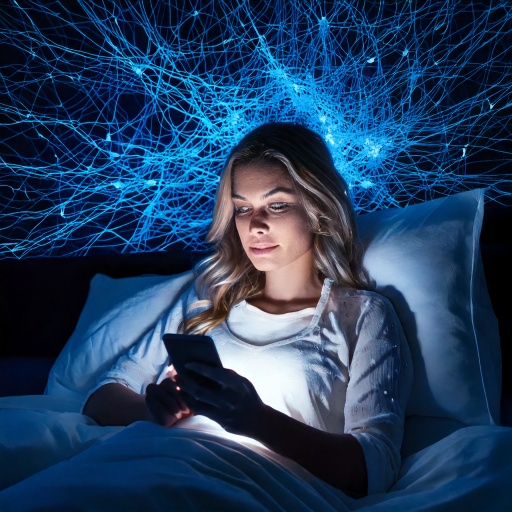
Social media platforms like Instagram, TikTok, and Snapchat are integral to daily life. While they offer connection and entertainment, research highlights concerns about their impact on sleep and brain development, particularly among young age groups.
Social Media and Sleep
A study presented at the SLEEP 2024 conference examined how social media affects sleep and brain activity. Findings showed excessive nighttime social media use correlates with reduced sleep quality and altered brain function in areas linked to executive control and reward processing.
Brain Function and Sleep Deprivation
The brain’s frontolimbic regions, crucial for decision-making and emotional regulation, can be disrupted by heavy social media use and insufficient sleep. This may negatively impact cognitive abilities and emotional well-being.
The Vicious Cycle of Poor Sleep
Using social media before bed delays sleep onset, shortens sleep duration, and worsens sleep quality. Poor sleep, in turn, impairs focus, memory, and learning while increasing anxiety and stress, exacerbated by the fear of missing out (FOMO).
Strategies for Healthier Digital Habits
To support brain health, consider these habits:
- Set a Digital Curfew: Disconnect at least an hour before bed to enhance sleep quality.
- Optimize Your Sleep Environment: Keep electronic devices out of the bedroom to reduce distractions.
- Curate Your Content: Engage with uplifting content to maintain a positive mental state.
- Prioritize Face-to-Face Interactions: Real-life connections improve emotional well-being.
- Monitor Usage: Use screen time trackers to stay aware of digital habits.
Conclusion
Social media has benefits, but mindful use is crucial. Prioritizing sleep and healthy digital habits enhances cognitive function and well-being. A well-rested mind is more resilient, focused, and better equipped to navigate digital and real-world challenges.