Did you know that nearly 45% of people who die by suicide visit their primary care doctor within a month before their death? Yet, many of them aren’t identified as at risk. The growing demands on doctors make it challenging to screen every patient for mental health struggles—but Artificial Intelligence (AI) might change that.
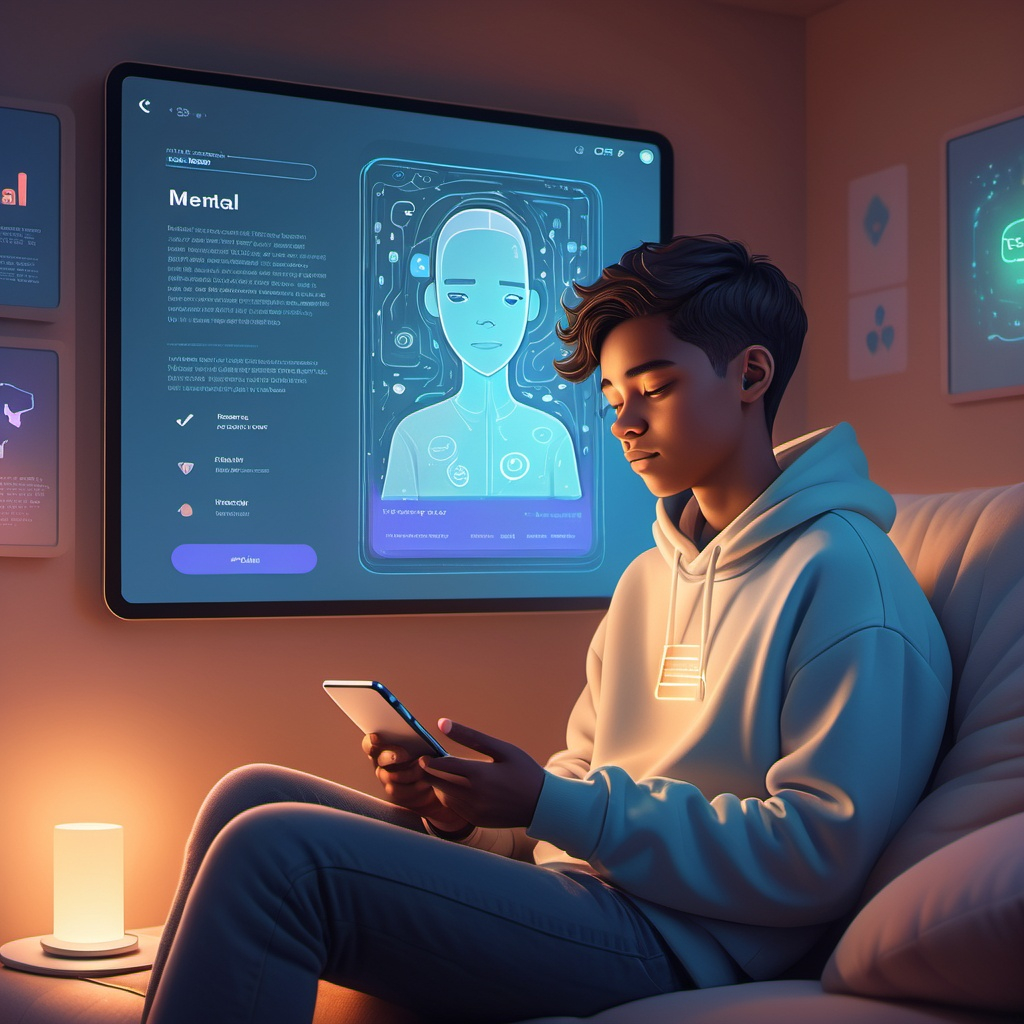
AI tools can analyze patient responses, detect warning signs in journal entries, and even flag high-risk individuals using natural language processing (NLP). If a patient expresses self-harm thoughts, AI can trigger urgent alerts to mental health professionals or trained response teams, ensuring help reaches them faster.
For young people, the stakes are even higher. Studies show one-third of adolescent girls have considered suicide, with 13% attempting it. AI-based screenings in primary care and schools could shorten the time to diagnosis and provide early support, saving lives.
While AI can’t replace human connection, it can bridge gaps in mental health care, making sure more people get the help they need—before it’s too late.
Would you be comfortable with AI playing a role in mental health screenings? Drop your thoughts below!