
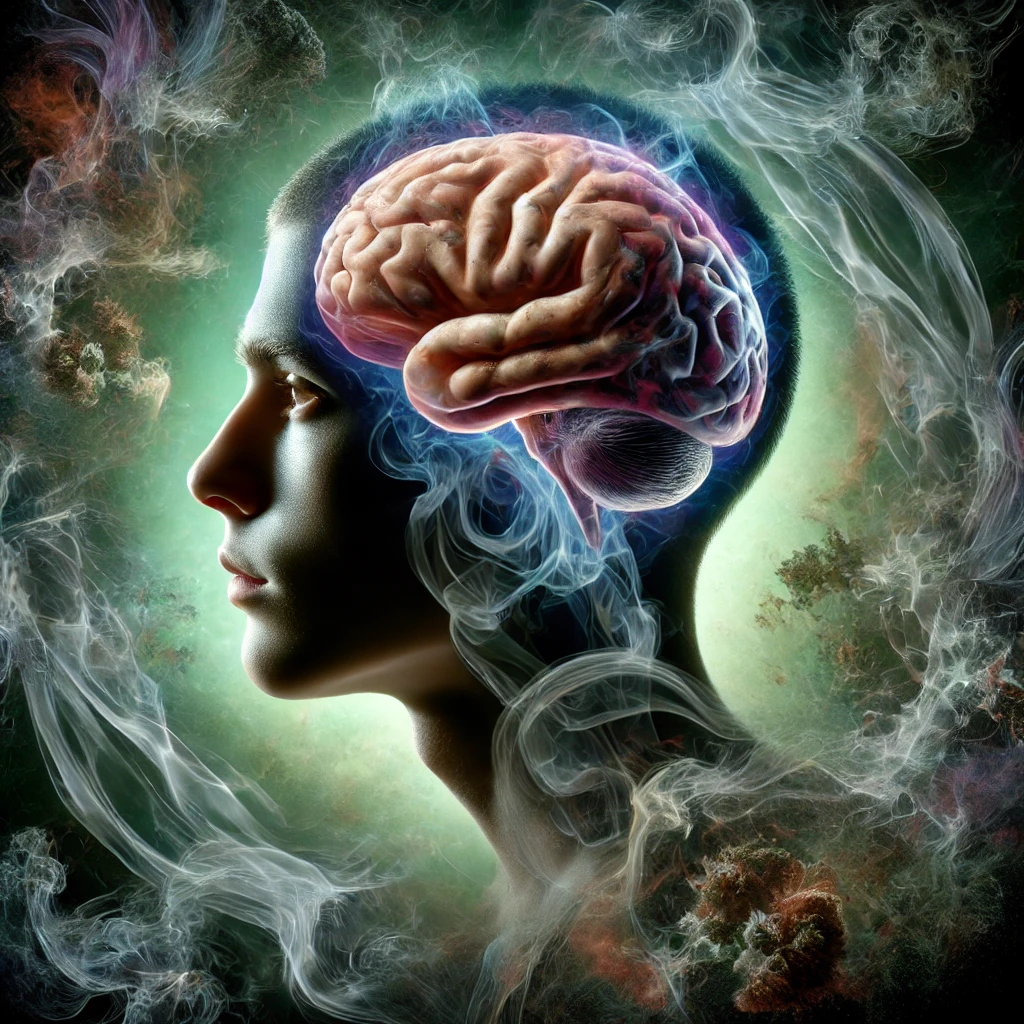
We all know that many teenagers have access to cannabis, and a large number of them, at least once, have tried it.
A late study discovered that Cannabis use may lead to thinning of the cerebral cortex in adolescents. It was demonstrated in many studies in humans and rats.
We already knew that cannabis use is linked to schizophrenia, but this multilevel study specifically demonstrated that tetrahydrocannabinol (THC), an active substance in cannabis, and the most famous one, causes shrinkage of dendritic arborization — the neurons’ network of antennae that play a critical role in communication between brain cells.
Neurons are connected between each other. They contain dendrites that receive information from neighbor cells, so they can pass it to the soma or the cell body, and then the stimulus goes to the axon where it will be sent to other cells.
A reduction in input from the affected dendrites makes it more challenging for the brain to learn new things, connect with others, adapt to new situations, and so on.
In other words, it leaves the brain more susceptible to all the experiences and challenges that can arise in a young person’s life.
The results emphasize that consumption of potent cannabis products during adolescence can impact cortical function, which has significant implications for decision-making and risky behavior as well.
Future research should examine whether these findings differ among various demographic groups, which could offer a more comprehensive view of how cannabis affects the brain across diverse populations. Furthermore, conducting longitudinal studies to observe brain changes over time could strengthen our ability to identify causal relationships.
The study says and I cite literally: “If you’re going to use cannabis, don’t start early. If you have to, then do so in moderation. And if you have family history of mental illness, be very careful.”