Love is something we all learn — but what if the first lessons come wrapped in fear?
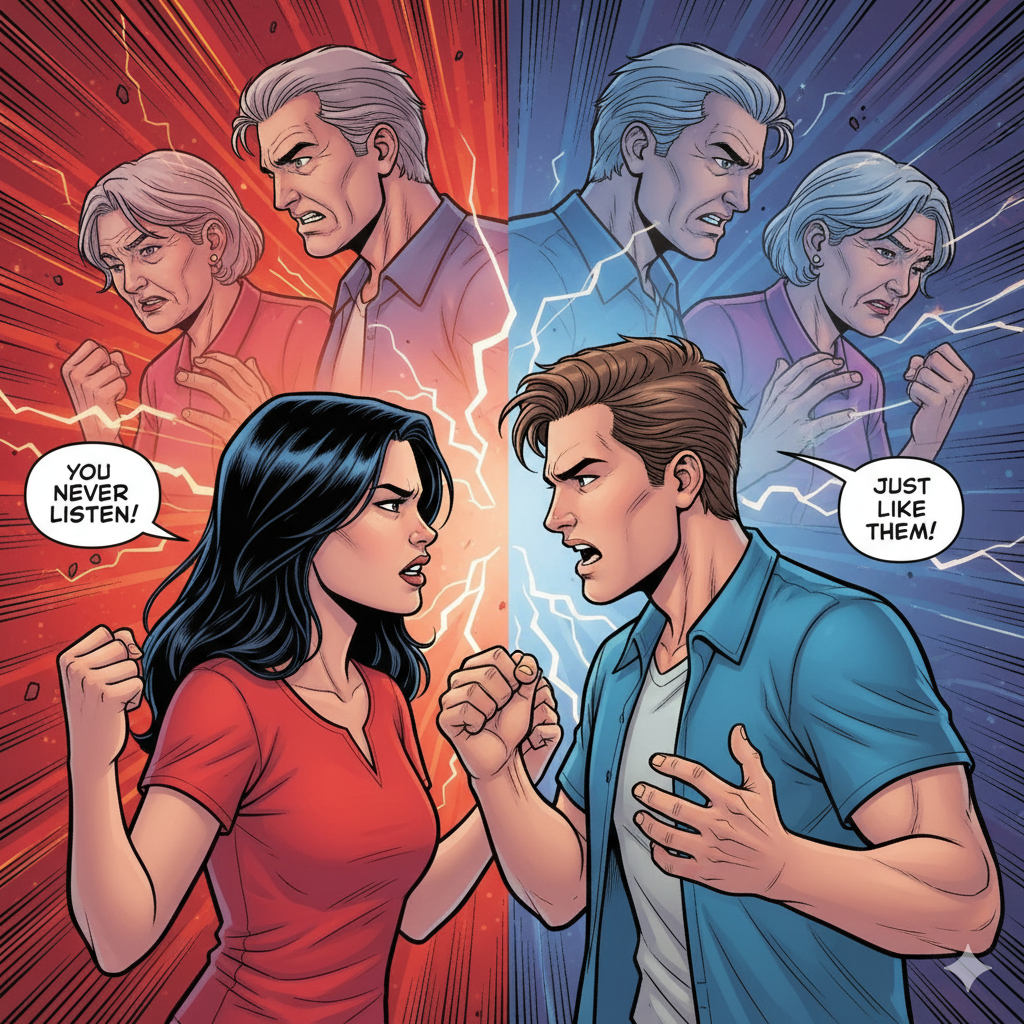
A new study from the UK has found that young men who witnessed their mothers being physically abused were 45% more likely to commit partner violence in their own relationships. The researchers followed more than 3,000 mother–child pairs from birth to adulthood and uncovered a painful truth: an intergenerational cycle of violence often forms — when harm becomes part of the family story, it doesn’t always stay in the past.
Children don’t just hear arguments — they absorb them. They don’t just see control — they learn what power looks like. The study showed that boys who grew up around violence often repeated it, while girls were more likely to become victims in their own relationships. And when exposure to violence was combined with childhood maltreatment, the risk of repeating those patterns was even higher.
This isn’t about blame — it’s about understanding how cycles begin, and how we can stop them. Violence doesn’t just bruise the body; it reshapes how young people see love, trust, and safety. These experiences can silently script how they express affection, handle conflict, and measure their own worth.
But there’s hope. Cycles can be broken. When children are surrounded by empathy, open communication, and healthy role models, they begin to rewrite the narrative. Community programs, therapy, and early intervention can make a difference — not just for individuals, but for generations.
Love is powerful. It can wound — but it can also heal.
It can be taught through fear — or through kindness.
And when we choose the latter, we give the next generation a different inheritance: the ability to love without hurting, and to be loved without fear.