
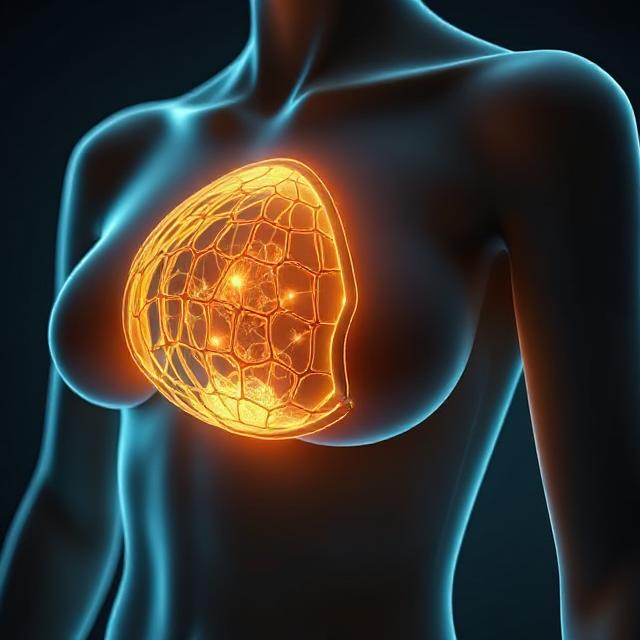
Breast reconstruction after cancer is evolving, and researchers in France are at the forefront with an innovative technique that could change lives. The TIDE clinical study is testing a groundbreaking approach: a resorbable bioprosthesis that promotes natural tissue regeneration.
Led by Dr. Pierre Guerreschi and explained by Dr. Délia Dammacco, the study introduces the MATTISSE bioprosthesis, a device that combines the patient’s own tissue with a biodegradable implant. Here’s how it works:
- Single Incision, Natural Growth: During the same surgery as the mastectomy, a flap of fat tissue is taken and placed into a special “cage-like” implant.
- Regeneration in Action: Over a year, the implant encourages fat tissue to grow, filling out the breast’s natural shape while the device gradually dissolves.
- Fewer Procedures: This approach could reduce the need for additional fat grafting surgeries.
Why is this important? Current methods, like silicone implants or tissue-only reconstruction, have limitations, including multiple surgeries or unnatural appearances. This new technique offers a middle ground, combining science and your body’s natural healing abilities.
This isn’t just innovation—it’s a hopeful leap toward making breast reconstruction more natural, less invasive, and better for long-term health. Keep an eye on these developments; the future of reconstructive surgery is here.