
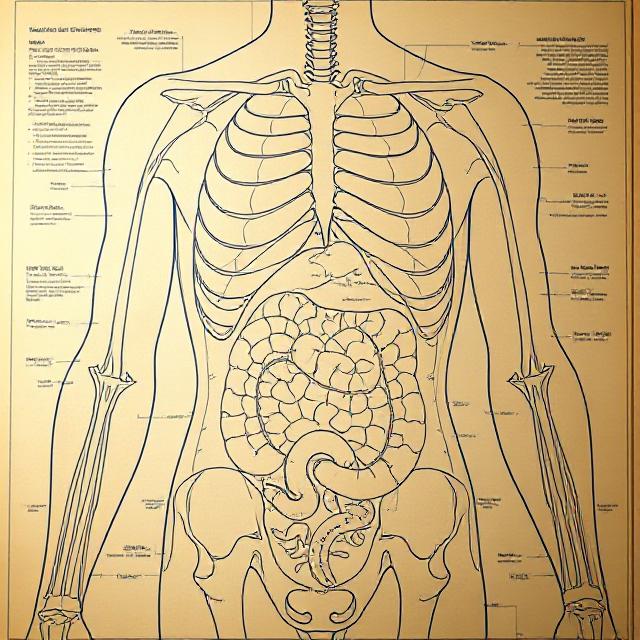
The appendix, once dismissed as a useless organ, is now gaining recognition for its role in gut health and immune function. Recent studies suggest that it acts as a “safe house” for beneficial bacteria, helping to restore the gut microbiome after infections. Additionally, the appendix contributes to immune surveillance by detecting and responding to pathogens.
Although appendectomy remains the standard treatment for appendicitis, emerging research indicates that its removal may increase the risk of gastrointestinal issues like irritable bowel syndrome (IBS), colorectal cancer, and type 2 diabetes. These associations are thought to stem from changes in the microbiome and immune responses after appendectomy.
As the understanding of the appendix evolves, it’s clear that careful consideration is necessary before opting for its removal. In some cases, antibiotics may provide an effective alternative to surgery. This growing body of evidence underscores the appendix’s potential importance to human health.