
Sex work is a job like any other, according to advocacy groups fighting for sex workers’ rights. Reducing stigma is crucial, as it affects their health and well-being.
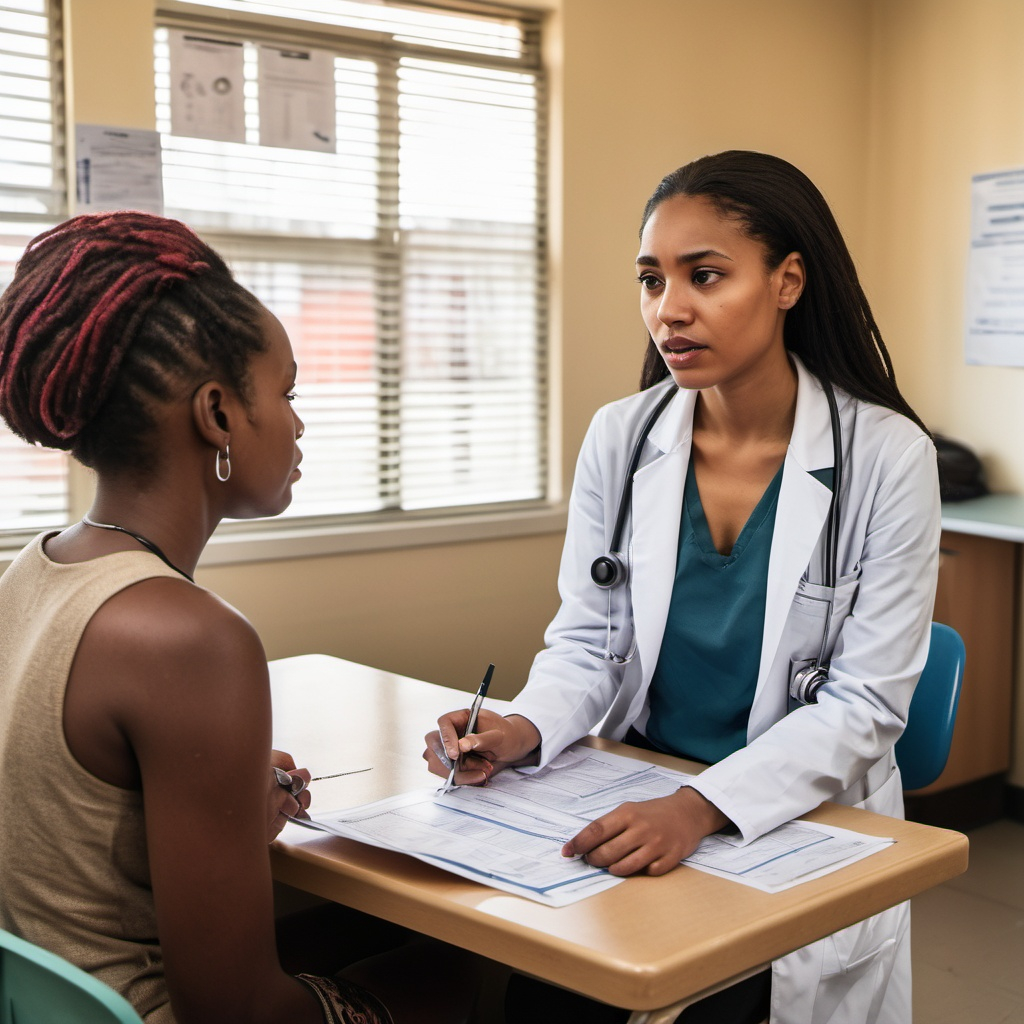
Hermine Gbedo, secretary of Italy’s Committee for the Civil Rights of Prostitutes, notes that stigma discourages sex workers from seeking healthcare, especially after violence or assault. A nonjudgmental approach can be life-changing, particularly for undocumented migrants and transgender individuals who face additional barriers. Many avoid medical care due to fears of legal repercussions or deportation, leaving them vulnerable.
In Umbria, Italy, sex workers face different risks. While some work indoors, others operate on the streets, where dangers are heightened. Many migrant women, especially from sub-Saharan Africa, are trafficked under false pretenses and lack legal status, healthcare, and personal freedom. Organizations like Cabiria Street Unit provide vital services, including distributing condoms, offering medical care, and informing workers about their rights.
STIs and unwanted pregnancies are major concerns. Some clients refuse condoms or remove them without consent, endangering workers. Undocumented women often resort to unsafe abortions, leading to severe complications. Fear of legal consequences prevents many from seeking medical help.
Health risks extend beyond reproductive issues. Poor living conditions contribute to infections, digestive problems, and respiratory diseases like tuberculosis. Harmful skin-whitening creams also cause severe health issues. Addressing these concerns requires a comprehensive approach, integrating social and legal support.
Empowering sex workers with knowledge of their rights is essential. Many migrants may qualify for residency permits as victims of violence. Medical professionals, lawyers, and advocates must collaborate to ensure access to healthcare and legal assistance. Stigma-free support is key to protecting sex workers’ safety and dignity worldwide.