In an exciting medical milestone, a 25-year-old woman with type 1 diabetes has been functionally cured after receiving a transplant of reprogrammed stem cells derived from her own body. This marks the first time stem cells have been used in such a way to reverse the condition. After living with diabetes for over a decade and relying on insulin injections, the patient now produces her own insulin. Just 2.5 months post-procedure, she became insulin-independent and has sustained normal blood sugar levels for over a year!
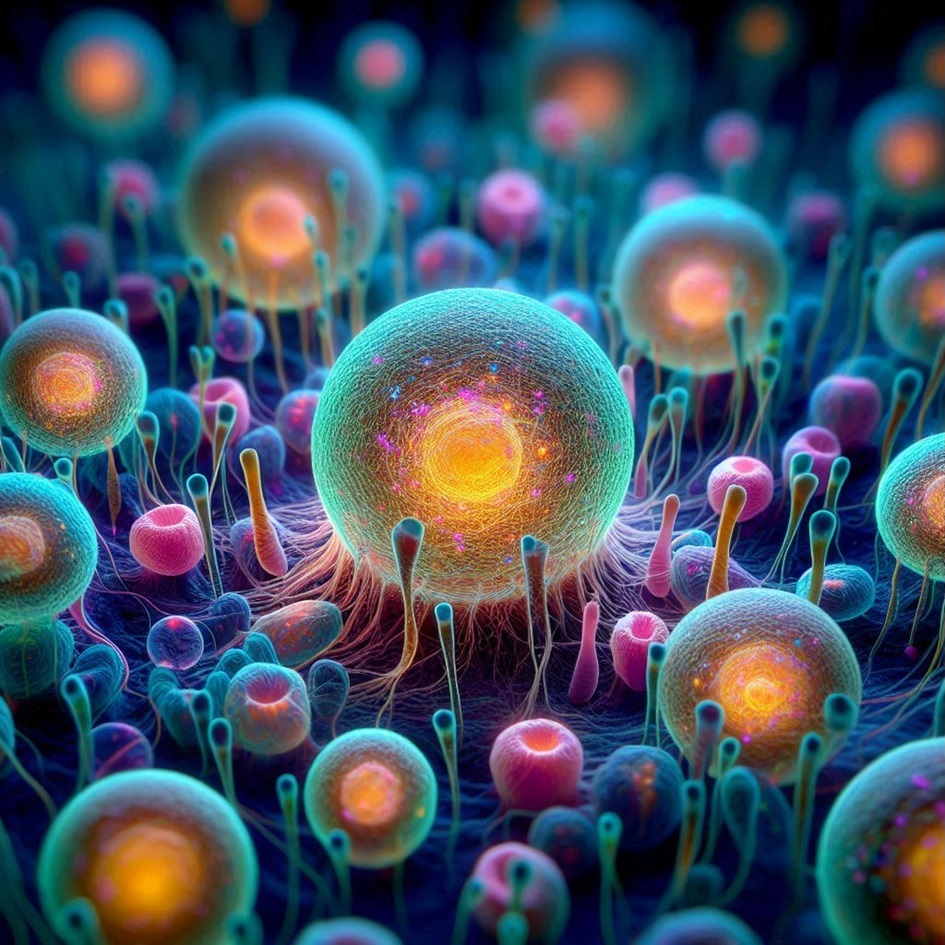
The treatment involved reprogramming the woman’s cells into pluripotent stem cells, which were then engineered into insulin-producing islet cells. These islet clusters were transplanted into her abdominal muscles, a new and innovative site for such procedures. This allowed researchers to monitor the cells closely and remove them if necessary. While traditional islet transplants involve donor cells and come with a shortage of organs and risks of rejection, using the patient’s own reprogrammed cells may eliminate the need for immunosuppressants and donor availability issues.
The success of this study has massive implications. It offers new hope for type 1 diabetes, a condition that affects millions globally. However, researchers are cautious and note that the results must be replicated in more patients before declaring it a widespread treatment. The next steps involve trials with additional patients and ensuring long-term insulin production. Scientists also aim to create stem cells that can evade the body’s autoimmune response, which is the underlying cause of type 1 diabetes. This innovation could redefine diabetes management, transforming what was once a lifelong condition into something potentially curable. The future of treating not just diabetes, but other diseases through stem cell therapy, seems brighter than ever!