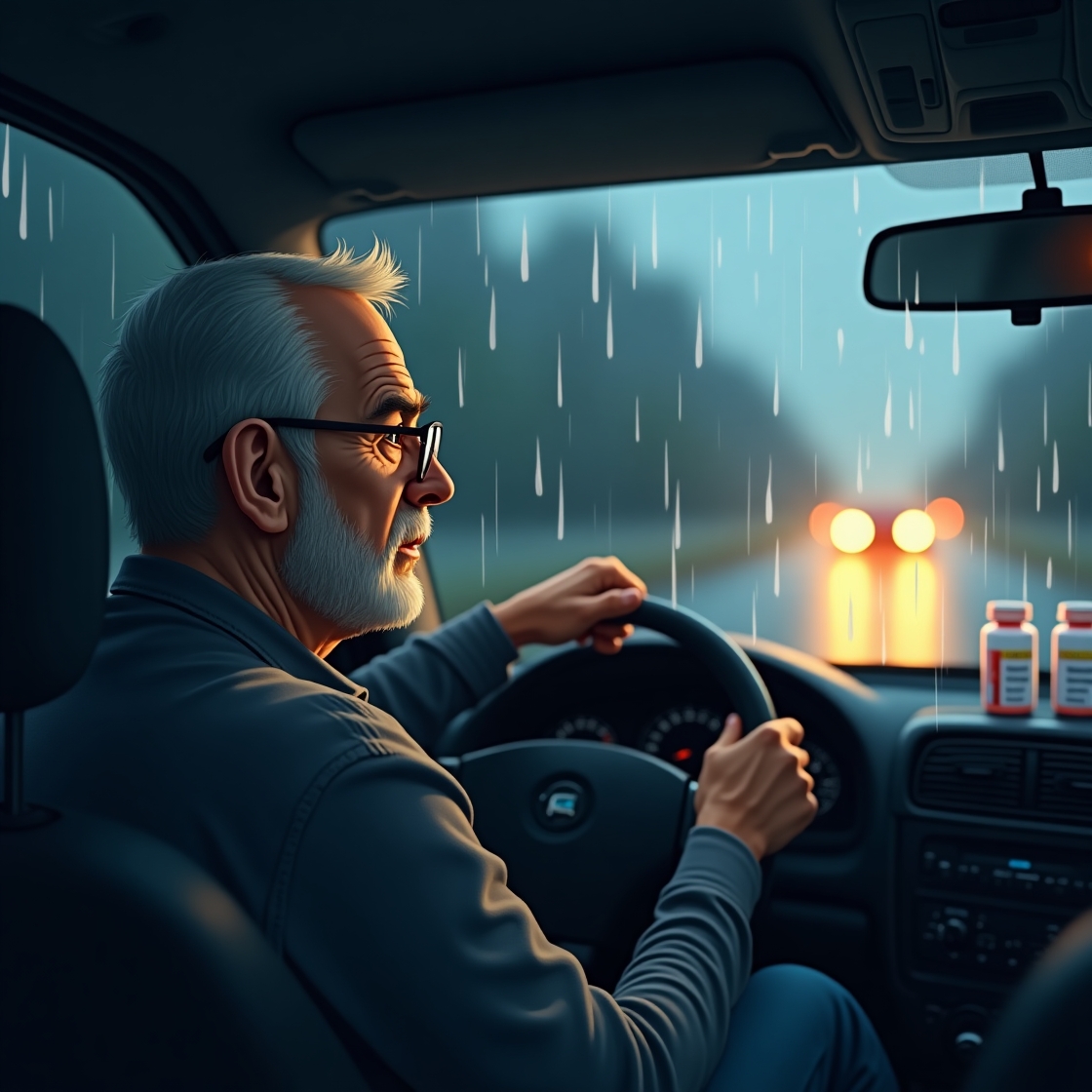
Heads up, drivers—especially if you share the road with older adults like parents, grandparents, or even community members. A new study has found that older adults with major depressive disorder (MDD) tend to drive more riskily than their non-depressed peers. We’re talking harder braking, sharper turns, unpredictable routes—basically, stuff that increases the chance of accidents.
What’s different about this study? It didn’t rely on people reporting their driving habits. Instead, researchers installed real-time trackers in people’s own vehicles and followed their behavior over a year. The findings? Even after accounting for things like antidepressants or other meds, depression itself had a major impact on driving style.
Here’s why this matters: By 2050, a quarter of U.S. drivers will be 65 or older. Depression affects about 8% of adults in the U.S. and can mess with concentration, memory, and decision-making—skills that are critical behind the wheel.
So what can we do? Talk about it. If someone in your life is older and dealing with depression, encourage them to check in with a doctor—not just for mental health support, but also to assess driving safety. Interventions like driver rehab or simply avoiding night driving can make a big difference.
Bottom line: mental health isn’t just personal—it’s public safety too.