
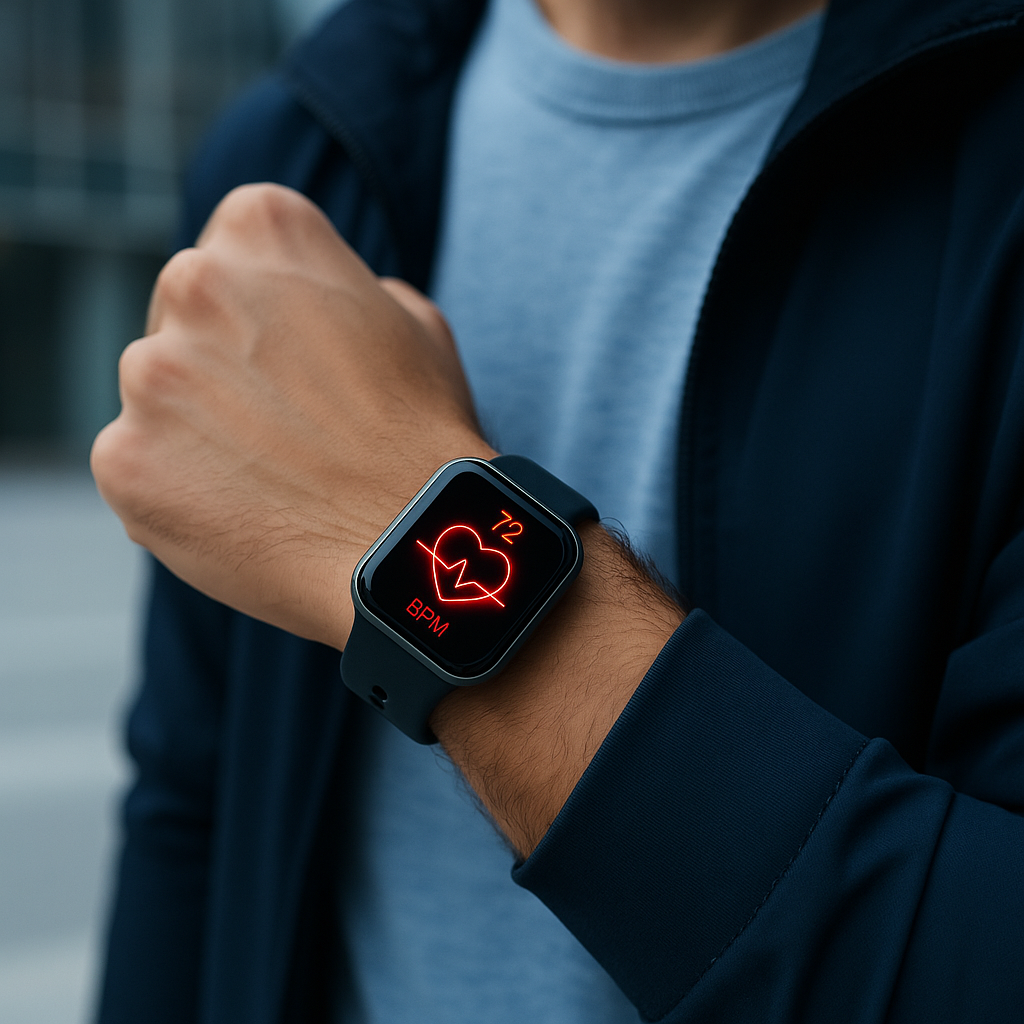
What started as simple step counters has evolved into life-saving technology. Today’s smartwatches and fitness trackers monitor heart rate, sleep patterns, blood oxygen, and even detect irregular heart rhythms.A 2023 Medscape report found that wearables helped doctors identify over 30% of previously undiagnosed heart conditions.
Devices like Apple Watch, Fitbit, and Garmin not only collect health data but also send emergency alerts during falls or cardiac events. Combined with apps that analyze long-term trends, these tools give doctors valuable insight into your overall health — even between appointments.
The future of healthcare is personal and preventive. Wearables empower people to take charge of their health before problems appear. As AI integration grows, your watch might soon detect stress, hydration needs, or even early signs of illness.
Of course, data security and privacy must stay priorities. But when used responsibly, wearable tech bridges the gap between medicine and daily life — turning information into protection.