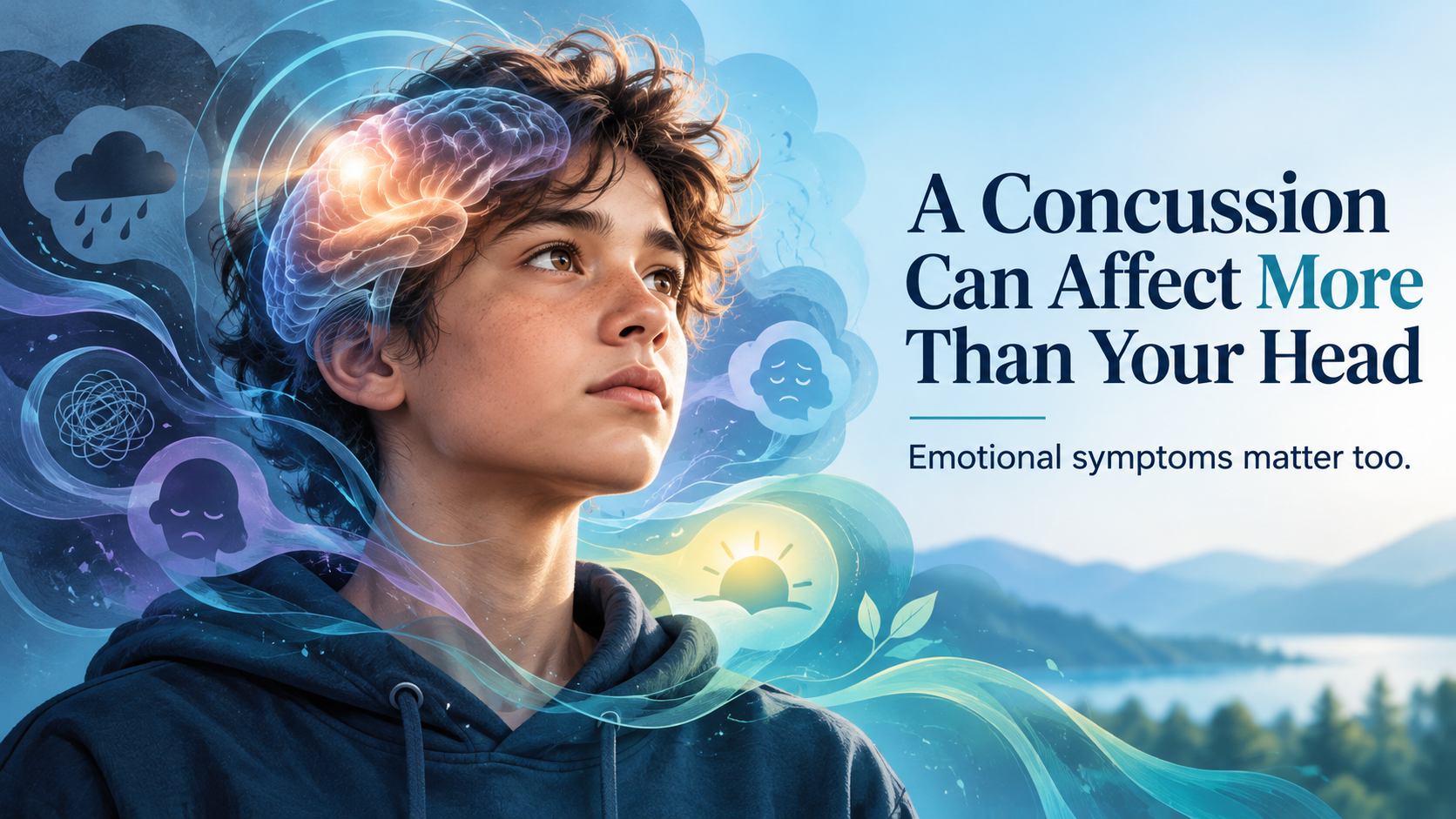
When we think of a concussion, headaches and dizziness usually come to mind. But did you know that a head injury can also affect your emotions?
What Did Researchers Discover?
A 2026 study published in The Journal of Pediatrics examined 793 children and teenagers aged 8–17, including 509 who had experienced a concussion.
Researchers found that young people who experienced more emotional symptoms shortly after a concussion were more likely to have difficulties with their emotional well-being later on.
These difficulties could be associated with emotional functioning for up to six months after the injury.
Why Do Emotions Matter?
A concussion is not just about physical symptoms. Changes in mood and emotional well-being can also be important parts of recovery.
The study suggests that paying attention to emotional symptoms early may help healthcare professionals identify young patients who need additional support.
What Can We Learn?
If you or someone you know experiences a concussion, don’t ignore emotional changes.
Let a healthcare professional know about any new emotional difficulties, attend recommended follow-up appointments, and follow medical advice about recovery.
Taking care of your brain also means taking care of your emotional health.
#ConcussionAwareness #BrainHealth #MentalHealth #YouthHealth #Recovery