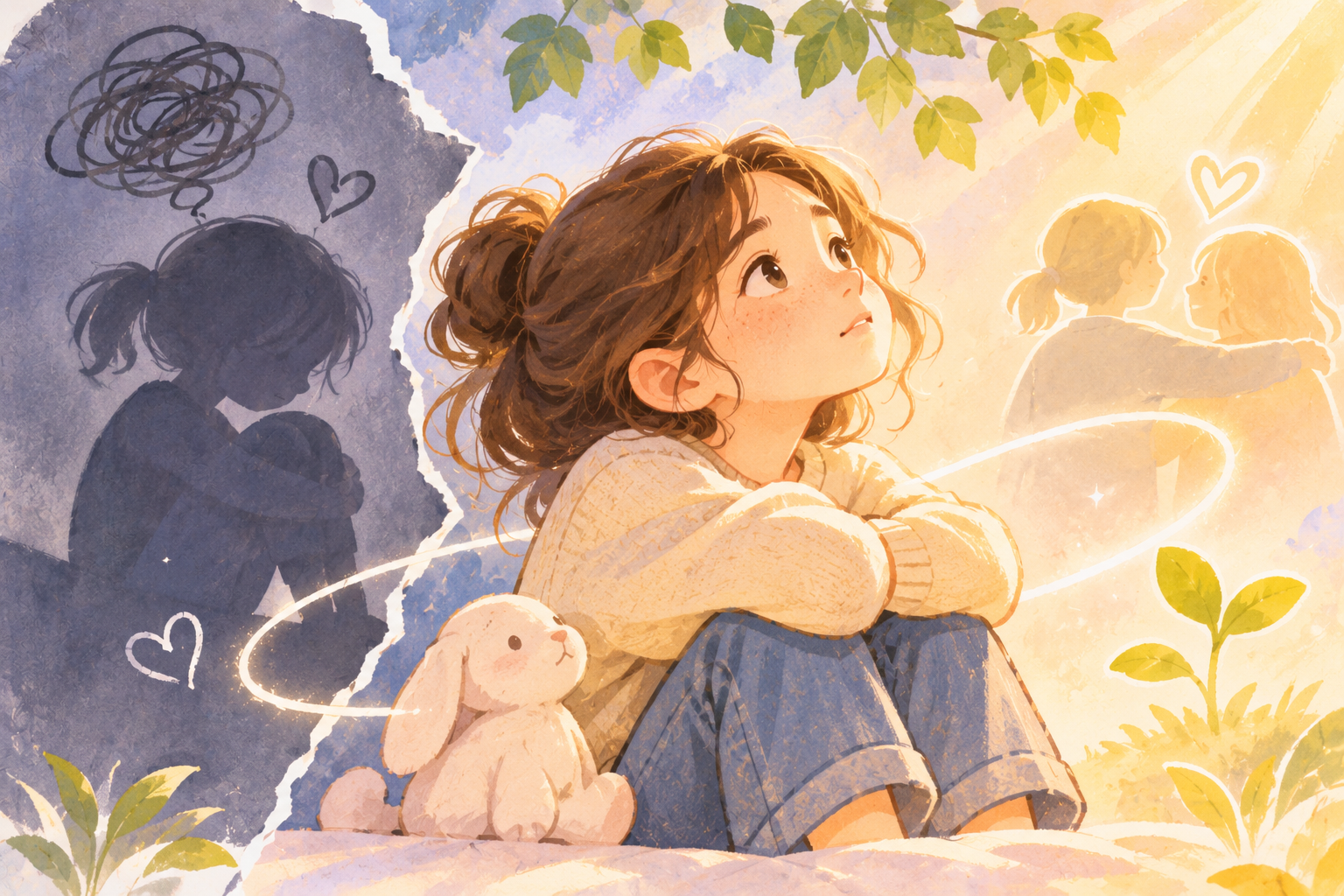
Have you ever wondered why some people find it difficult to trust others, even when they want close friendships or relationships? Sometimes, painful childhood experiences may play a role.
What Did Researchers Discover?
A 2026 study published in the European Journal of Psychotraumatology explored how childhood betrayal trauma relates to emotions and social connections.
Researchers examined two groups of adults in the UK, involving 536 participants in total.
They found that people who reported childhood betrayal trauma were more likely to experience shame and dissociation, which were also associated with a greater fear of belonging.
Why Does This Matter?
Betrayal trauma can involve being hurt by someone a child depends on or trusts.
Shame can make people feel unworthy of acceptance, while dissociation may involve feeling disconnected from emotions, memories, or surroundings.
These experiences may be linked to difficulties feeling safe and connected in relationships.
What Can We Learn?
The study reminds us that past experiences and the way people understand them may be connected to their emotional well-being and relationships.
However, these findings do not prove that childhood trauma directly causes relationship difficulties.
Understanding these connections may help us approach others with greater empathy. For those struggling with trauma-related difficulties, professional psychological support may also be helpful.
Our past may influence how we connect, but it does not have to define our future.
#ChildhoodTrauma #MentalHealth #HealthyRelationships #EmotionalWellbeing #SocialConnection
Source:
Dorahy, M. J., Clarke, C. K., & Hanna, D. (2026). Investigating the relationship between childhood interpersonal traumatic experiences and appraisals, belonging, shame, and dissociation. European Journal of Psychotraumatology.
https://doi.org/10.1080/20008066.2026.2730911
Medscape: