
A Blood Test to Detect Cancers
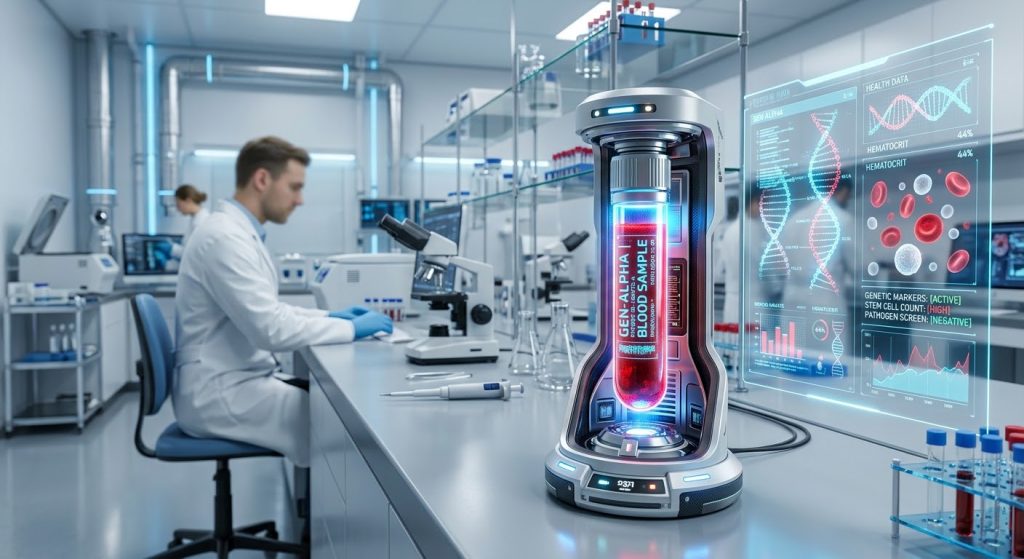
Imagine taking a simple blood test that could spot dozens of different types of cancer before any symptoms even show up. It sounds like a scene from a sci-fi movie, but it is quickly becoming a reality in modern medicine.
Recently, an FDA advisory panel evaluated Galleri, a groundbreaking multi-cancer early detection (MCED) blood test developed by Grail. The panel agreed that the test is safe and that its potential benefits outweigh the risks for adults aged 50 and older.
Why is this a big deal?
Currently, traditional medical screenings only exist for a few types of cancer, such as breast, cervical, and colon cancers. Tests like Galleri look for tiny fragments of cancer DNA in the bloodstream. This means they could potentially detect hard-to-spot cancers—like pancreatic or esophageal cancer—at much earlier, more treatable stages.
The Catch: What You Need to Know
While the technology is exciting, health experts emphasize that we should remain realistic:
It is not 100% accurate: The test currently detects around 32% to 35% of cancers (meaning it can still miss cases).
It does not replace standard check-ups: Galleri is meant to complement, not replace, proven routine screenings like mammograms or colonoscopies.
More long-term data is needed: Scientists are still studying whether detecting these cancers early through blood tests directly reduces overall mortality rates.
What’s Next for Health Tech?
As liquid biopsy technology continues to evolve, blood tests could fundamentally change how we approach preventive medicine. For now, researchers are running larger clinical trials to ensure these innovations are both safe and highly reliable for everyone.
Source: Medscape / FDA Advisory Panel Report