As cannabis becomes more available and socially accepted, it’s crucial to understand the risks—especially for young people. High-potency cannabis, with its elevated THC levels, can harm adolescent brain development, increasing the likelihood of mental health issues like psychosis and cannabis use disorder (CUD). The safest way to avoid these risks is simply not to use cannabis.
What Are Psychosis and CUD?
Psychosis is a condition that affects how a person interprets reality. It can cause hallucinations, delusions, and confused thinking, often making it difficult to distinguish what is real. Frequent cannabis use, especially high-potency products, can trigger psychotic episodes, particularly in young men, and is linked to conditions like schizophrenia.
CUD, or cannabis use disorder, is a medical condition where a person becomes dependent on cannabis, leading to difficulty controlling use, withdrawal symptoms, and continued use despite harmful effects. Those who start using cannabis before age 16 or use it frequently (weekly or daily) are at a significantly higher risk of developing CUD.
Why Is the Adolescent Brain So Vulnerable?
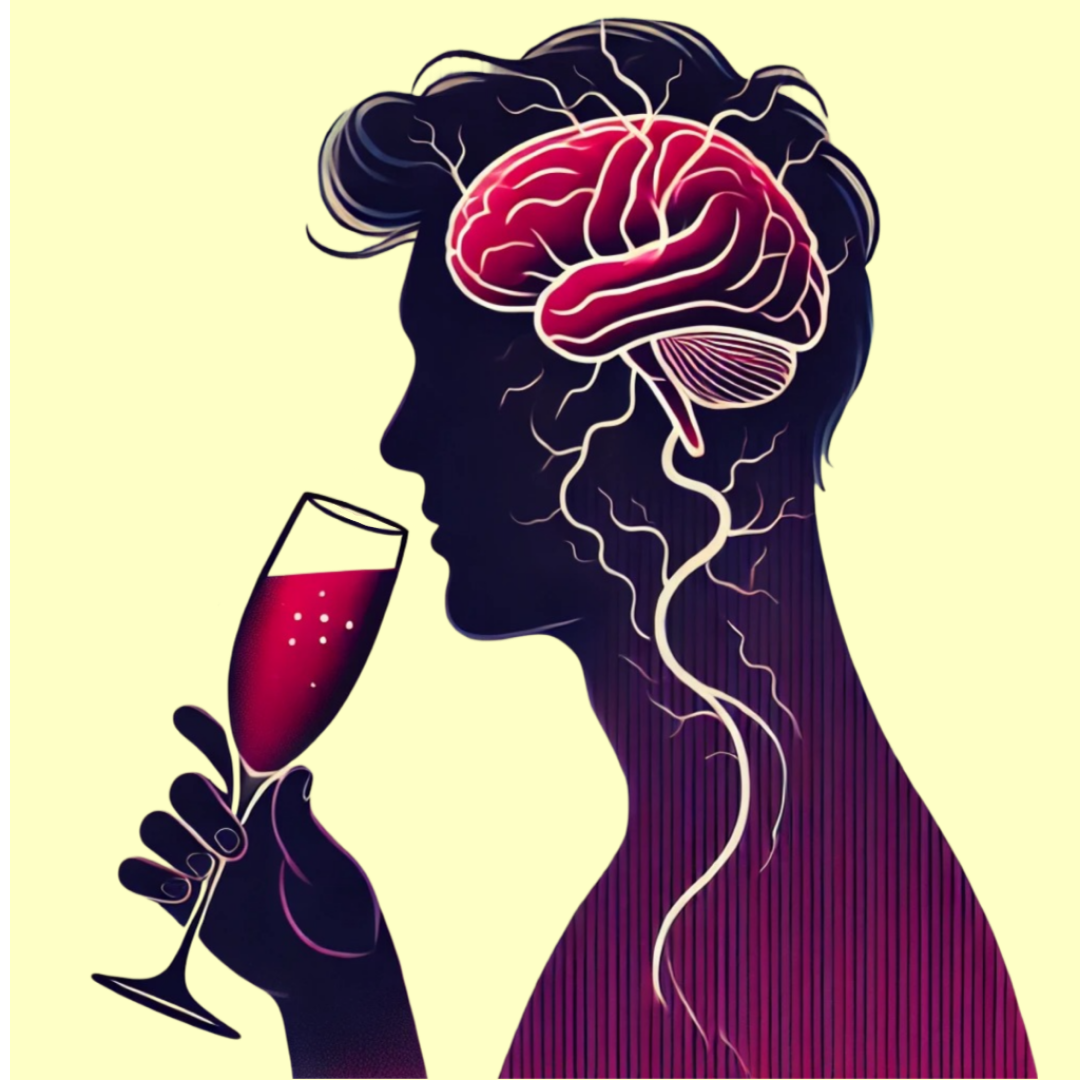
Adolescence is a crucial time for brain development. One key system affected by cannabis is the endocannabinoid system, which plays a vital role in regulating mood, memory, decision-making, and emotional responses. High-potency cannabis can disrupt this system, potentially altering how brain pathways develop and function. These disruptions can affect executive functioning, learning, and emotional regulation—essential skills for navigating adulthood.
Research shows a 245% increase in cannabis abuse among U.S. teens since 2000, driven largely by its accessibility compared to substances like nicotine. With higher THC levels in today’s products, the risks are more significant than ever.
What Can You Do to Stay Safe?
Understanding the risks is a powerful first step. Here are some ways to protect yourself and make informed choices:
1. Educate yourself about THC potency. Know the strength of what you’re consuming and its potential effects on your brain.
2. Limit use. The younger you start, the higher your risk of developing long-term issues.
3. Seek help if you’re struggling. Early intervention can make a big difference, and resources are available to help you reduce use or quit.
Dr. Yasmin Hurd, Director of the Addiction Institute at Mount Sinai, emphasizes that while cannabis use can pose significant risks, there is also a silver lining. The brain’s plasticity—its ability to adapt and change—offers an opportunity for prevention and early intervention, especially in teens and young adults.
Remember, the surest way to stay safe and avoid these risks is to abstain from cannabis use altogether. Making informed decisions is key to protecting your health and well-being.