
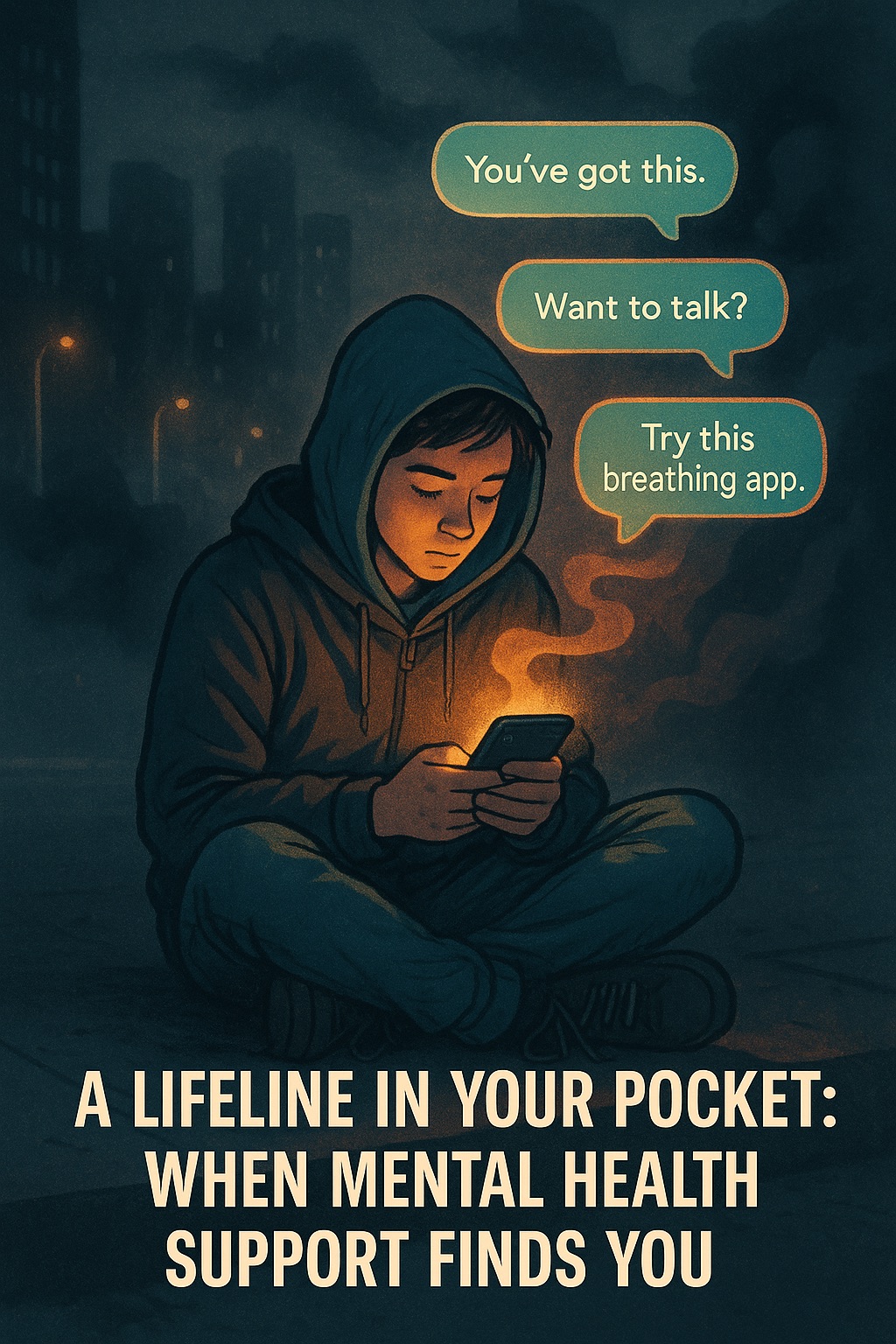
For young people facing homelessness, life can feel like it’s constantly in survival mode. It’s not just about finding food or shelter — it’s also about managing stress, trauma, and mental health. A new study looked into whether mobile tech could help bridge that gap, and the results are promising.
Researchers offered 35 young adults (ages 18–24) experiencing homelessness a free mobile phone with a service plan, plus access to brief emotional support from trained coaches. The support included up to 3 short phone sessions, text check-ins, and mobile mental health apps — all designed to provide simple coping tools and someone to talk to.
The takeaway? Even with all the challenges they face, over half the participants completed all three support sessions, and nearly everyone who responded seriously said they’d recommend the program to a friend. That’s a big deal. One month of remote support might not drastically change depression or PTSD symptoms, but it shows that young people want help and will engage — especially when it’s flexible, private, and tech-based.
The big picture: Using phones to deliver mental health support is more than convenient — it could be a lifeline. There’s still a long way to go in building mental health services that work for all young people, no matter their situation, but this is a hopeful step forward.