Mind the Gap: Why Female Physician Associates Still Earn Less
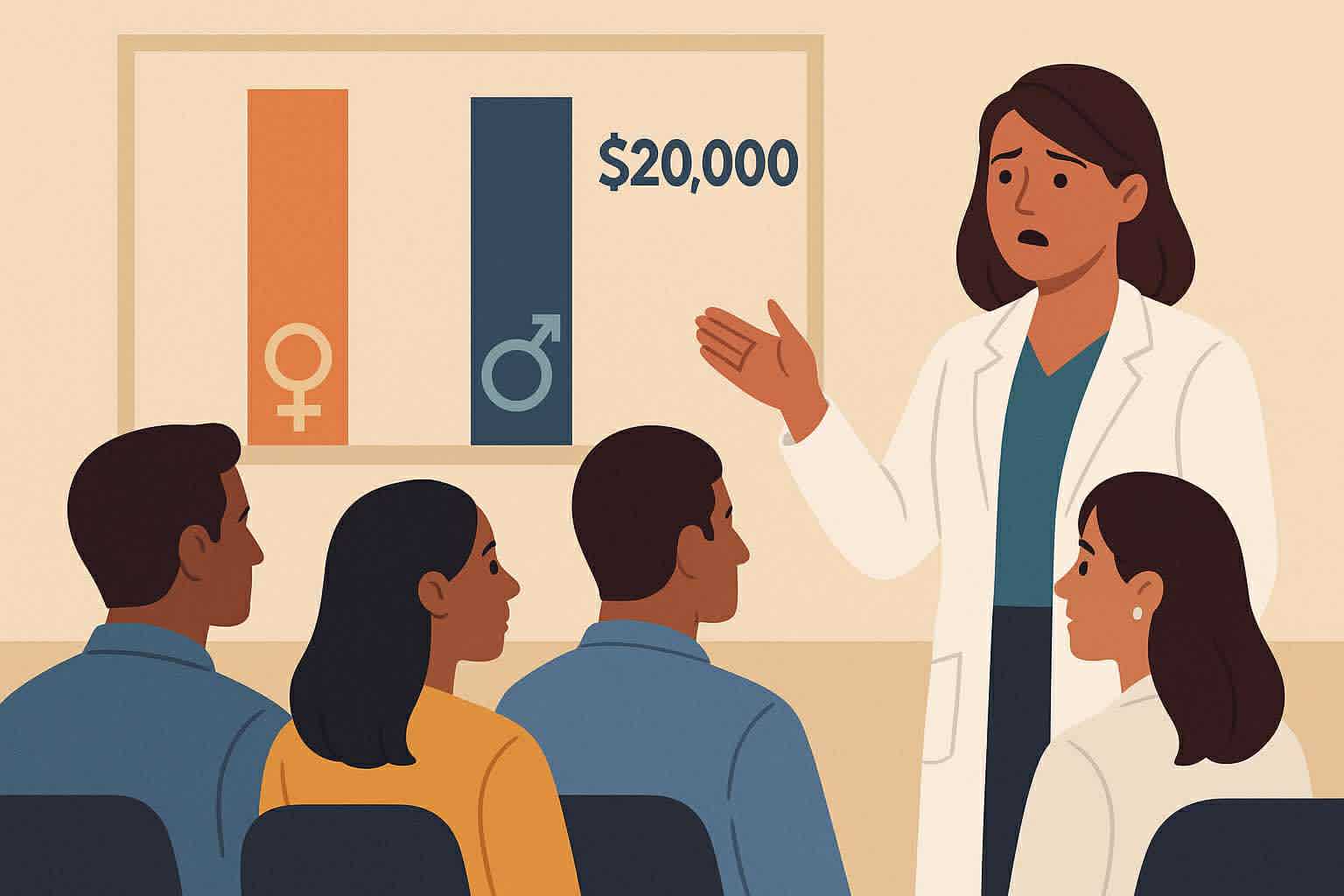
Even in 2025, gender pay gaps persist, including in healthcare jobs that are predominantly female-dominated. A new report from the National Commission on Certification of Physician Assistants (NCCPA) shows that, on average, male physician associates (PAs) earn $20,000 more per year than their female colleagues.
Even though around two-thirds of PAs are women, men still earn more in every specialty, ranging from neurology (the smallest gap at around $10k) to obstetrics and gynaecology (the largest at around $34k).
Experts say this gap cannot be explained simply by specialty choice or work hours. Even after adjusting for factors such as education, region and experience, the difference remains.
So why is this happening?
Some research suggests that career interruptions (such as taking time off for family), differences in specialty selection, and unequal credit for experience may be contributing factors. However, many PAs — especially women — believe it is part of a deeper systemic issue.
Dr Raquelle Akavan, founder of the PA Mums network, described the situation as ‘incredibly concerning’, stating that pay inequity can lower morale, affect staff retention and even impact patient care.
Leaders in the field say the next steps should include:
💬 Pay transparency: publishing salary ranges so people know what’s fair.
- Negotiation training: encouraging early-career professionals, especially women, to advocate for themselves.
Employer accountability: ensuring men and women receive equal credit for equal work.
As AAPA president Todd Pickard put it: ‘Look at the data and get informed. When you start a job conversation, come armed with knowledge and ask for what you’re worth.”
Fair pay is not just a personal win — it is a professional win that strengthens the entire healthcare system. ⚖️