“Sometimes growth doesn’t come from light alone -it comes from learning to stand in the dark.”
A 2022 study titled “Negative vs. Positive Psychology: A Review of the Science of Well-Being” examines how modern psychology has been shaped by two contrasting forces, the pursuit of positive emotions and the acceptance of negative experiences.
For decades, positive psychology has focused on happiness, gratitude, and optimism, but this paper reminds us that discomfort, sadness, and loss can be equally important teachers.
Happiness alone is not enough, when positivity becomes a constant expectation, it can lead to guilt or denial of real feelings. Negative emotions have values as well. Stress, frustration, and sorrow help us grow psychological resilience and deepen empathy.
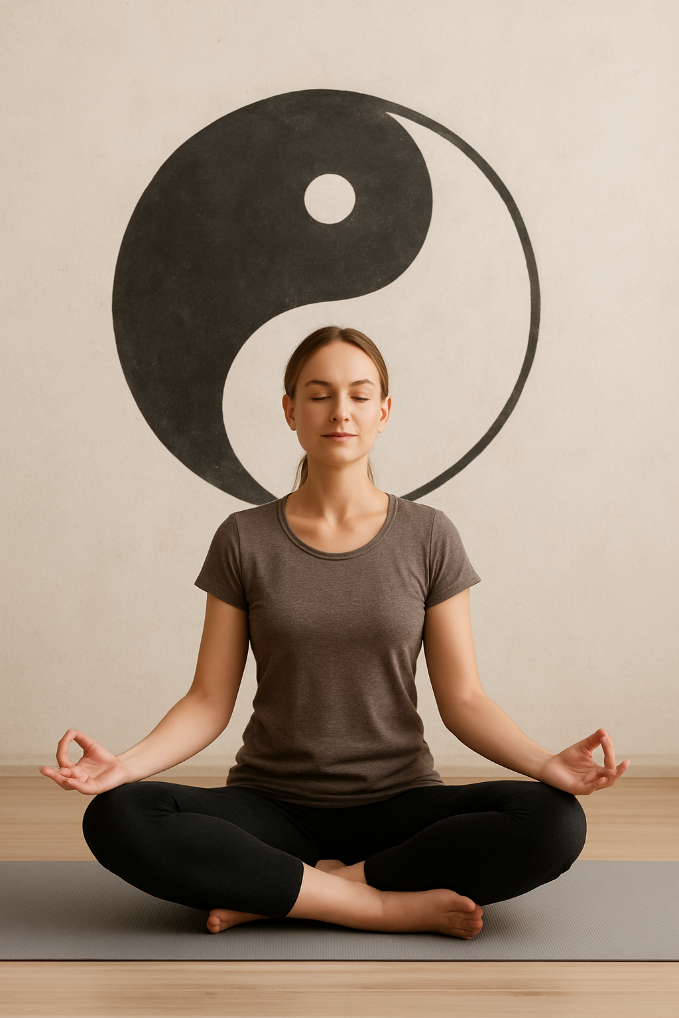
Well-being means balancing light and shadow, it is an essential part of human experience.
Why It Matters
Modern culture often celebrates positivity as the only healthy mindset. Yet the science of well-being shows that accepting our darker emotions doesn’t make us weaker, it makes us more complete. By embracing imperfection, we create space for authenticity and emotional flexibility.
So maybe wellness isn’t about “feeling good” all the time. It’s about feeling fully, and learning that peace can coexist with imperfection.