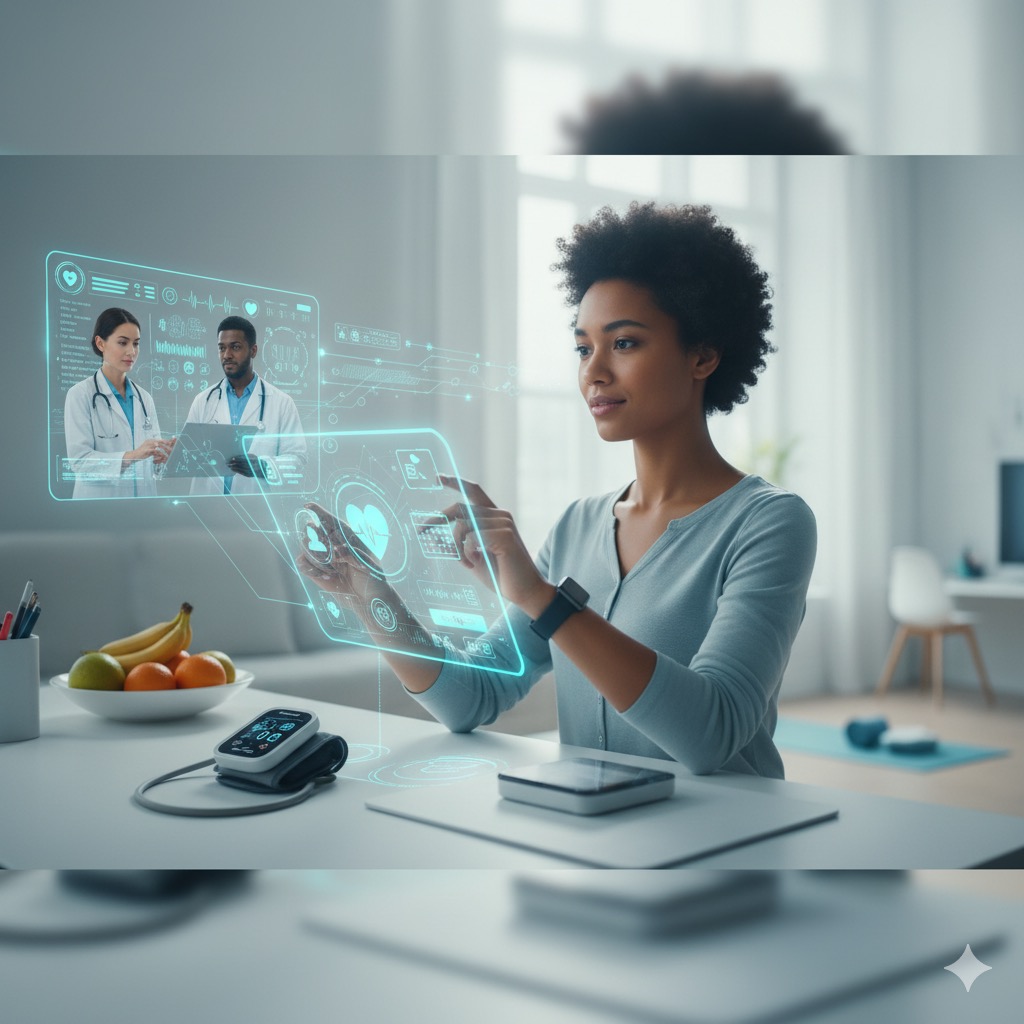
The nature of healthcare is shifting. Thanks to digital sensors, smart wearable devices, AI-driven platforms, and patient-centred apps, the traditional model where a patient visits a clinic is changing. More and more, patients themselves are becoming the point of care.
Wearables and health apps now allow individuals to monitor vital signs, track lifestyle factors, and share data with clinicians in real-time – turning everyday life into part of the care continuum. At the same time, AI tools and specialised platforms are automating repetitive tasks in medical practice, enabling professionals to focus more on patient interaction, decision-making and empathy.
But this transition comes with responsibility. Digital health tools must be safe, reliable and accessible. It’s not enough to just have technology: we need strong regulation, standards, and education so patients and clinicians can trust what they use. As one expert put it: “With increasing access to digital technologies … the patient has become the ‘point of care’ for the first time—and that changes the whole structure of how we deliver healthcare.”
Key takeaway:
Healthcare is moving from clinics to the palm of your hand. When patients are equipped to monitor, manage and share their health data, care becomes continuous, personalised and proactive. As technology advances, embracing this shift isn’t optional—it’s essential for the future of health.