Sometimes, connection doesn’t come from people, it comes from something smaller covered in feathers. In a long-term psychiatric care home in Tehran, a group of residents took part in a study that would change the way we think about mental health and belonging.
Researchers wanted to know if spending time with an animal could help patients living with chronic psychiatric disorders feel happier and more connected to life.
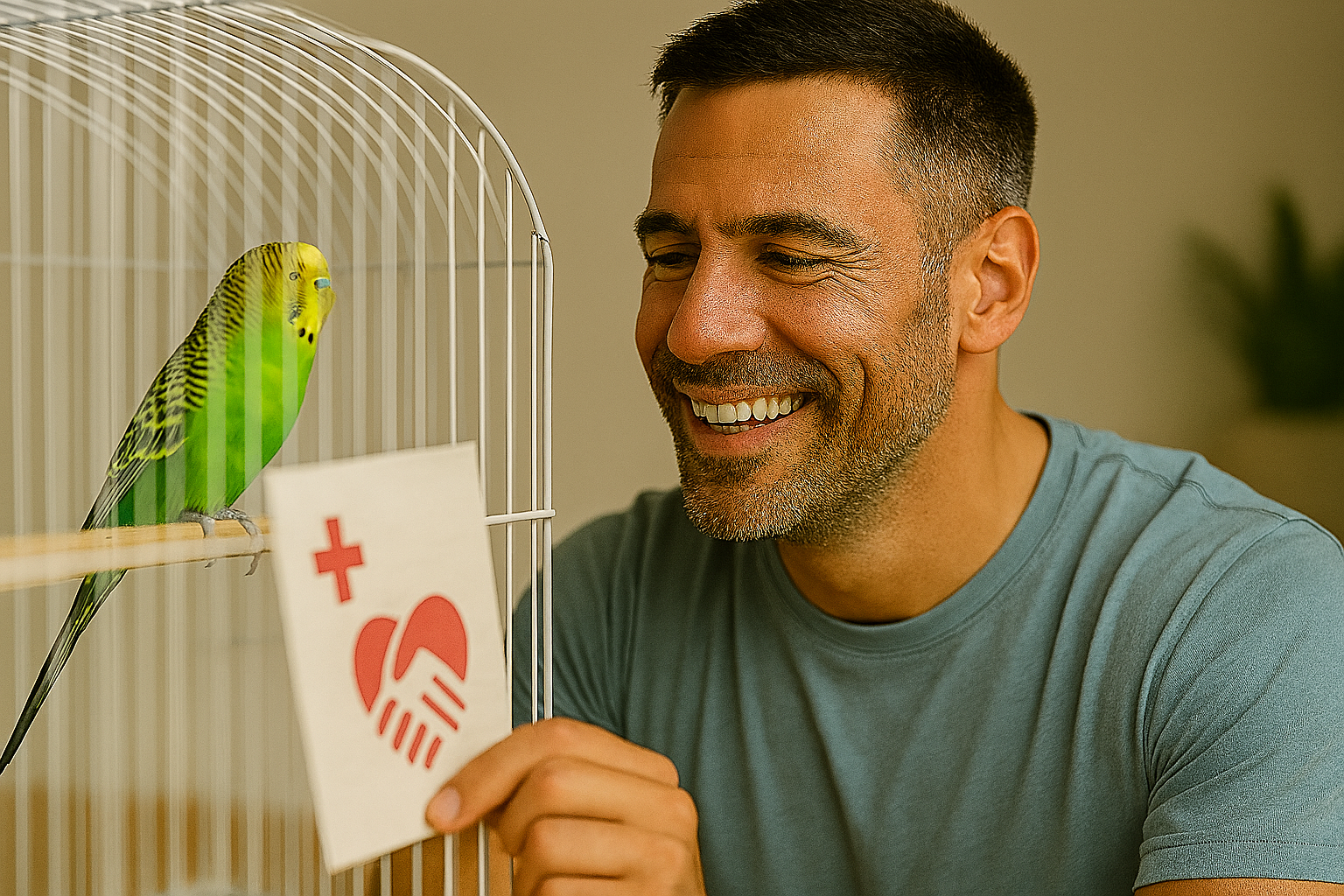
Seventy men, each with a history of severe mental illness, were randomly assigned to two groups. One group continued with their usual care routines. The other welcomed a new kind of companion, a small pet bird.
Over eight weeks, participants spent time feeding, watching, and caring for the bird, guided by simple sessions designed to spark attention, responsibility, and emotional expression. What seemed like a small gesture soon had a big effect.
By the end of the program, those who took part in the animal-assisted therapy showed a striking increase in happiness and reported higher quality of life. They described feeling calmer, more engaged, and even more hopeful.
In numbers, the Oxford Happiness Inventory showed a significant rise in well-being, and measures of life satisfaction and psychological health also improved. For people whose daily lives were often marked by isolation and routine, the presence of a living creature brought warmth, curiosity, and care back into their environment.
Of course, the research had its limits. The participants were all male, the follow-up period was short, and birds are not the typical therapy animals used in mental health settings. Yet even within those limits, the results speak to something deeply human: our needs to feel connected to someone, or something.
Overall this study reminds us that animals can bridge the emotional distance that mental illness often creates, offering a sense of purpose and companionship that transcends words.