When was the last time someone’s small act of kindness completely turned your day around? Maybe a friend shared their notes, a stranger smiled at you, or someone simply said, “You got this.” Turns out, that warm fuzzy feeling isn’t just emotional—it’s biological.
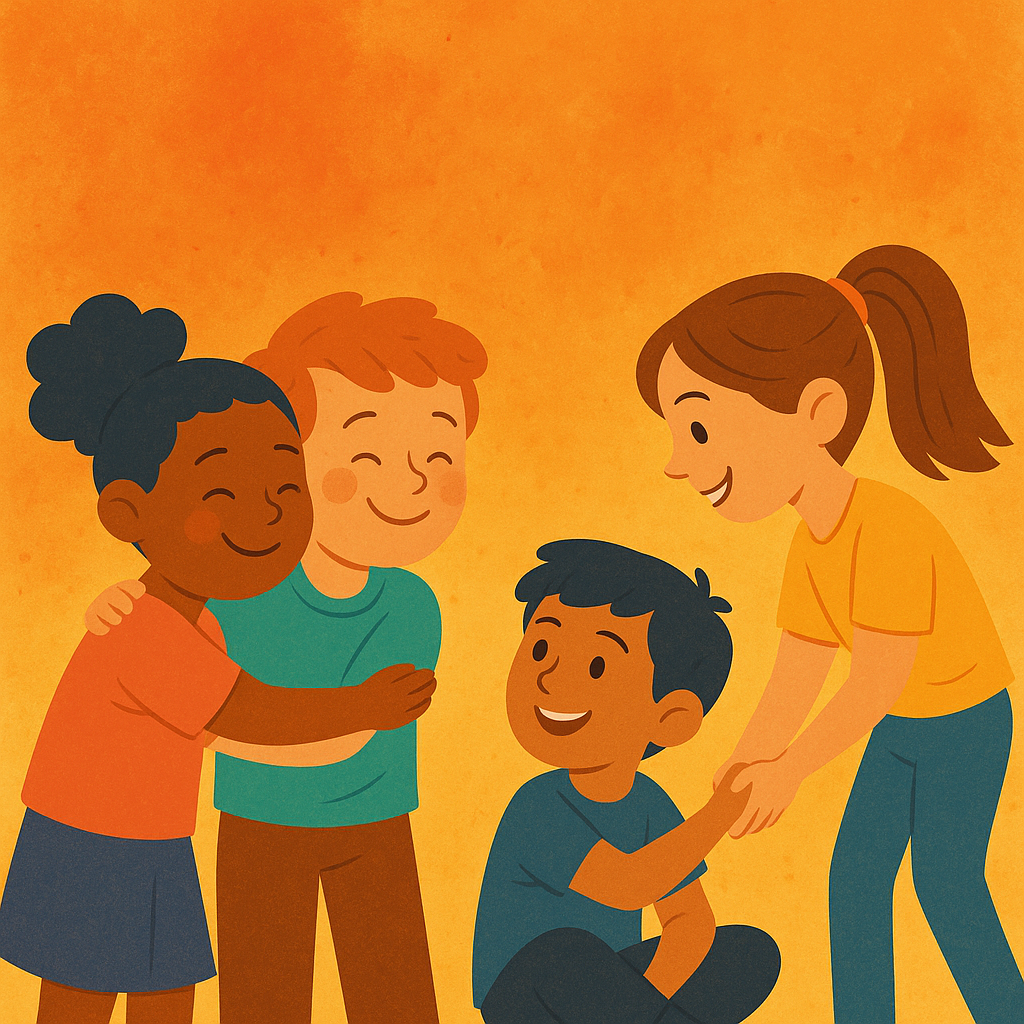
A recent Medscape article highlights how teaching kindness to children doesn’t just make them “nice.” It actually boosts their mental health, emotional intelligence, and self-awareness. Researchers found that kids who practice empathy and generosity have stronger relationships, lower stress levels, and higher overall happiness.
Kindness training helps the brain’s reward centers light up, releasing serotonin and dopamine—the same chemicals that make you feel good after exercise or listening to your favorite song. In other words, being kind literally makes you happier.
But here’s the twist: kindness isn’t something you’re just born with—it’s something you can practice, like a muscle. Schools that include empathy programs or “acts of kindness” challenges see improved classroom behavior, fewer conflicts, and even better academic results. It’s a win for the heart and the brain.
And kindness isn’t only for kids. The more we practice it as young adults, the more resilient and self-aware we become. Recognizing how our actions impact others builds emotional depth and strengthens mental health—a skill that’s essential in a world full of stress, screens, and endless notifications.
So here’s your daily prescription: do one kind thing today. Text someone a genuine compliment. Hold the door open. Forgive yourself for not being perfect. These small actions ripple outward in ways you can’t always see—but science says they matter.
Because kindness isn’t weakness. It’s strength wrapped in empathy. And it’s something the world can’t get enough of.